Sports Betting Alliance Warns of Chicago Operator Exodus

By Robert Linnehan in Industry
Updated: September 18, 2026 at 4:31 pm EDTPublished:
- The Sports Betting Alliance recently sent a letter to Chicago Mayor Brandon Johnson regarding potential licensure
- According to the alliance, Chicago is requiring a new city license for online sports betting operators
- However, online sports betting companies do not know the licensing requirements for the new city licenses
The Sports Betting Alliance has officially warned Chicago Mayor Brandon Johnson that Illinois online sports betting operators may be forced to temporarily cease business in the city beginning in 2026 due to murky new licensing requirements.
According to an Sports Betting Alliance (SBA) letter sent to Mayor Johnson, Chicago’s proposed budget requires online sports betting operators to have a “City license” by Jan. 1, 2026, to do business, but has not yet provided the details on what is required to procure a license.
If licensing framework is not provided to online sports betting operators and the effective date of the requirement is not delayed by at least 180 days, the SBA warns that online operators may have to temporarily pull their business from the city.
No Details on New Licenses
InGame was the first to report the details on the SBA letter to Chicago. The SBA provided the letter to Sports Betting Dime as well.
Chicago’s new budget proposal calls for each operator to also hold a separate city sports betting license. The problem? Illinois sports betting operators know nothing about them or how to acquire them. There is no licensing process in place, the SBA notes, and even if there was it would be impossible for operators to apply for, and procure, one of the licenses by Jan. 1, 2026.
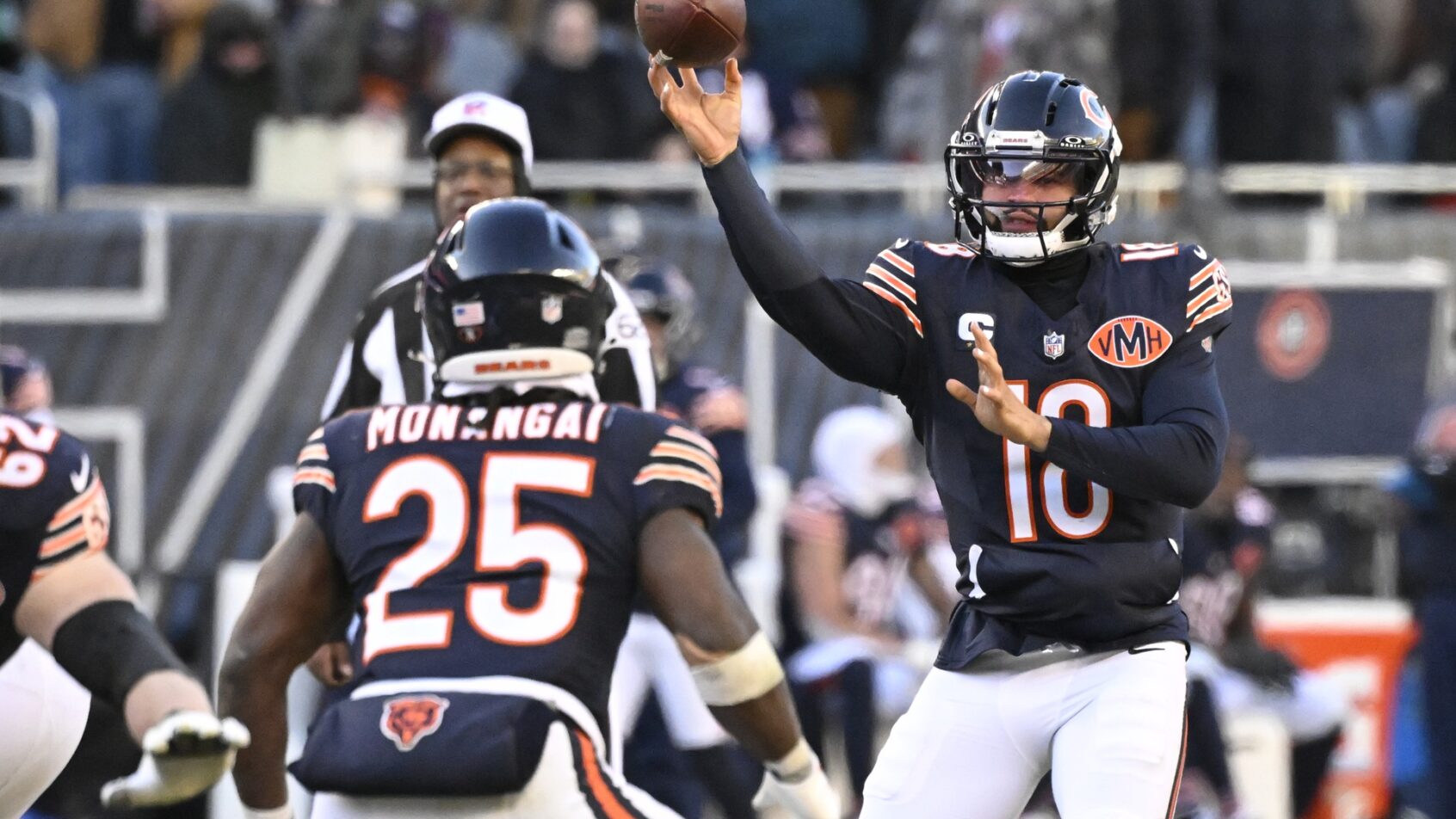
Without one of these licenses, operators will have to go dark in the city during one of the busiest periods of the sports betting season, which includes the start of the Chicago Bears much-anticipated playoff run.
The SBA warns Johnson that online sports betting operators are “highly regulated entities that cannot lawfully operate without all required licenses.” Absent these new required licenses, the operators may have to temporarily shut down sports betting in Chicago, which would jeopardize millions in state revenue.
“As drafted, the proposed budget and revenue ordinance would impose a City licensing requirement effective January 1, 2026, yet the City does not currently have a licensing rubric that contemplates online sports wagering operators. In the absence of defined terms, application standards, required documentation, and administrative procedures, operators would have no meaningful way to comply with the ordinance upon its effective date. It is urgent that your Office takes action to develop a cogent licensing framework and to delay the effective date by at least 180 days to allow operators to understand the requirements, prepare and submit complete applications, and obtain the necessary City licenses prior to enforcement,” Jeremy Kudon, SBA Chairman wrote.
In addition to the new City licenses, the proposed Chicago budget also includes a new sports betting tax.
The Sports Betting Alliance represents the interest of bet365, BetMGM, DraftKings, Fanatics Sportsbook, and FanDuel.
New Tax Included in Budget
In Johnson’s 2026 budget proposal, the Chicago mayor included a 10.25% tax on online sports betting gross gaming revenues. By his estimates, the city would bring in an additional $26.2 million per year through the new tax.
Johnson hopes to close a near $1.15 billion deficit in 2026.
Illinois sports betting operators are concerned with the newly proposed tax, which would be on top of the state’s per-bet charge implemented earlier this year.
Illinois Gov. JB Pritzker (D) approved a budget in June that included a new per-bet fee for all licensed online sports betting operators. The per-bet fee went into effect on July 1, 2025, and resulted in more than $5.2 million in revenue during its first month of operation.
In 2024, Pritzker signed a budget into law on June 1, 2024, which included a new progressive tax rate for licensed state sportsbooks. The state budget included the first-ever progressive tax rate for sports betting operators in the country, which will see sportsbooks pay a rate of 20% to 40% based on adjusted gross revenues.
Based on the structure, operators pay taxes based on the following adjusted gross sports betting revenue totals:
$0 to $30 million: 20%
$30 million to $50 million: 25%
$50 million to $100 million: 30%
$100 million to $200 million: 35%
Over $200 million: 40%
Regulatory Writer and Editor
Robert Linnehan covers all regulatory developments in online gambling and sports betting. He specializes in U.S. sports betting news along with casino regulation news as one of the most trusted sources in the country.