Judge Approves Massachusetts Preliminary Injunction Against Kalshi

By Robert Linnehan in Industry
Updated: September 18, 2026 at 4:31 pm EDTPublished:
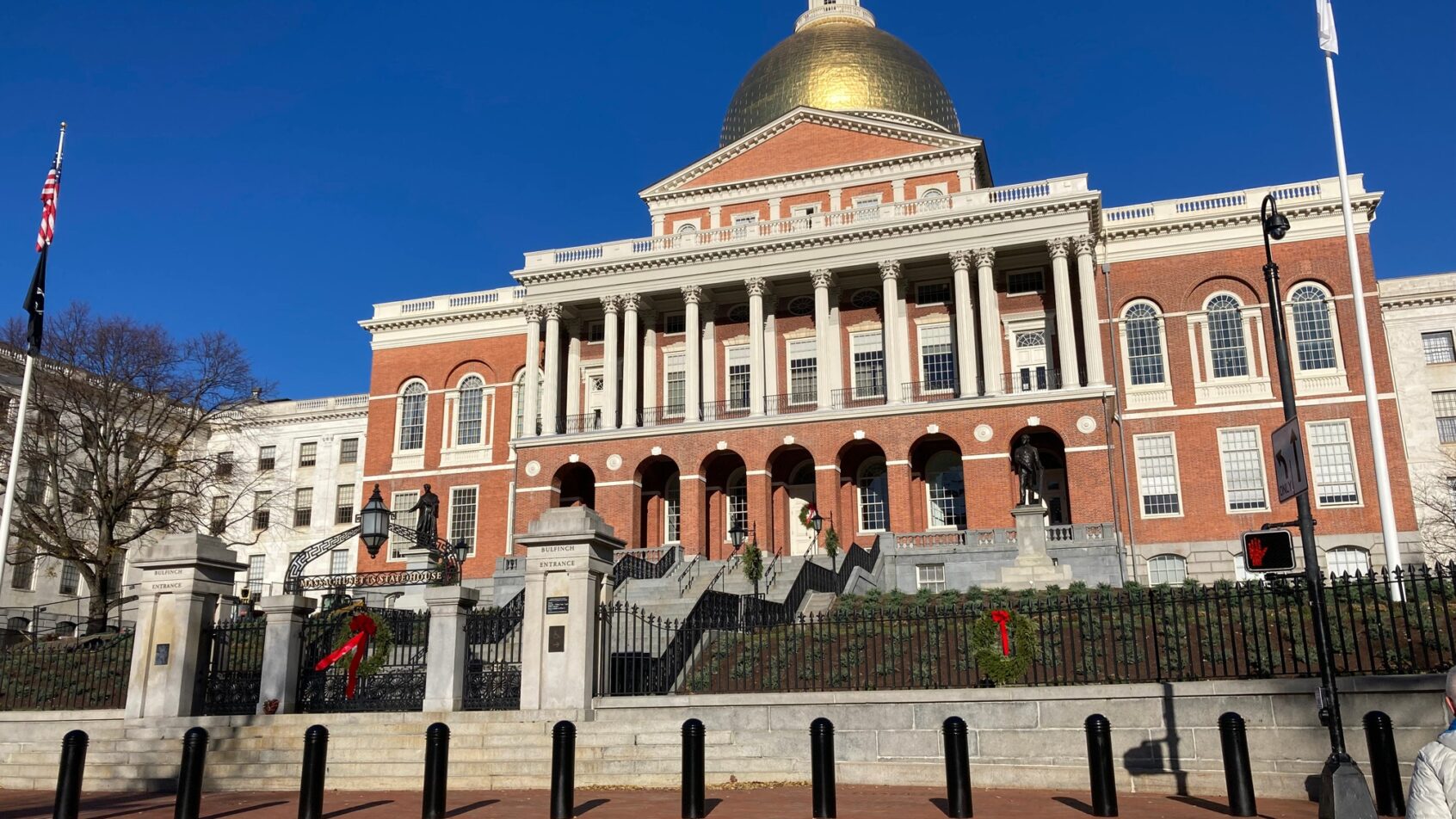
- A Massachusetts judge has approved the commonwealth’s request for a preliminary injunction against Kalshi
- If the preliminary injunction is upheld, Kalshi will not be able to offer its sports event contracts in the state through the course of its lawsuit
- Massachusetts Attorney General Joy Campbell filed a lawsuit against Kalshi
A judge has approved the commonwealth’s motion for a preliminary injunction against Kalshi, which if upheld will prohibit Kalshi from offering its sports event contracts in Massachusetts through the course of the state’s lawsuit against them.
Justice of the Superior Court Christopher K. Barry-Smith today approved the commonwealth’s preliminary injunction request, while at the same time denying Kalshi’s motion to dismiss the predictions market lawsuit.
“Because Kalshi has failed to establish that the Commodity Exchange Act preempts the Sports Wagering Law, the Commonwealth is likely to succeed on the merits of its single claim that Kalshi requires licensure under G.L. c. 23N to offer sports-related event contracts in the Commonwealth,” he wrote in his decision.
Disagreement on Preemption
In his approval of the preliminary injunction, Judge Barry-Smith wrote that he fundamentally disagreed with Kalshi’s assertion that the commonwealth’s attempted regulation of its sports event contracts was preempted by federal law.
Kalshi argues, Barry-Smith reported, that the Commodity Futures Trading Commission’s (CFTC) exclusive jurisdiction over transactions involving swaps must mean that Congress intends to preempt state sports gaming laws that would otherwise require licensure of designated contract markets.
“But its view of the relevant field of preemption is overly broad, particularly in light of the presumption against preemption. Although I agree that the exclusive jurisdiction provision evidences an intent to preempt some state law, I disagree that it extends as far as state gaming laws. While it would make sense for Congress to displace a state’s targeted attempt to regulate a derivative market, for example, or to clarify the roles of separate federal agencies, as address in Merrill Lynch, that logic does not suggest Congress intended to displace traditional state police powers, uch as gambling regulation,” he wrote.
Requiring Kalshi to become licensed to offer its sports event contracts in the state would not displace federal derivatives regulations or enforcement efforts, nor deter Congress’s purpose in consolidating regulatory power in the CFTC, Barry-Smith noted.
The preliminary injunction will be entered on the following schedule:
- Jan. 21 at 4 p.m.: The commonwealth will submit a proposed preliminary injunction consistent with this decision
- Jan. 23 at 10 a.m.: Kalshi may submit a response to the commonwealth’s proposed order
- Jan. 23 at noon: A hearing will be held if either side requests as such, at which point the preliminary injunction will be entered after its completion
Massachusetts First to File Lawsuit
Massachusetts became the first state to levy a lawsuit against Kalshi – and the prediction markets – over its sports event contracts.
The lawsuit alleges Kalshi’s sports event contracts bypass key consumer protections that are required of licensed sports betting operators. Kalshi has not undergone the necessary comprehensive processes required by the MGC to ensure its operations are in alignment with state regulations. Kalshi also allows users between the ages of 18 and 21 to trade contracts on its platforms, when the legal age for sports betting in the state is 21.
According to the state’s lawsuit, Kalshi’s platform employs behavioral design mechanisms drawn from gambling psychology, with features that encourage “impulsive engagement, exploit award anticipation, and diminish users’ perception of financial risk.”
The lawsuit contends approximately 75% of Kalshi’s trading volume has been sports event contracts from May 17, 2025, onwards. From January to June of 2025, the state alleges Kalshi users “wagered more than $1 billion on 3.4 million sports wagers.”
“Despite Kalshi calling its product ‘event contracts,’ consumers are placing wagers on the outcome of sporting events. Kalshi’s sporting event contracts constitute ‘sports wagering’ because Kalshi is engaged in ‘the business of accepting wagers on sporting events.’ Kalshi’s offering meets the definition of a ‘wager’ under Chapter 23N because a user risks a sum of money (i.e. the price of the contract) on an uncertain occurrence in a sporting event (i.e. the position taken on the event contract) for the chance to win money if the event takes place (i.e. a prize),” Massachusetts counsel wrote in the lawsuit.
Regulatory Writer and Editor
Robert Linnehan covers all regulatory developments in online gambling and sports betting. He specializes in U.S. sports betting news along with casino regulation news as one of the most trusted sources in the country.