Texas Tech Quarterback Enters Program for Gambling Addiction

By Robert Linnehan in Industry
Updated: September 18, 2026 at 4:29 pm EDTPublished:
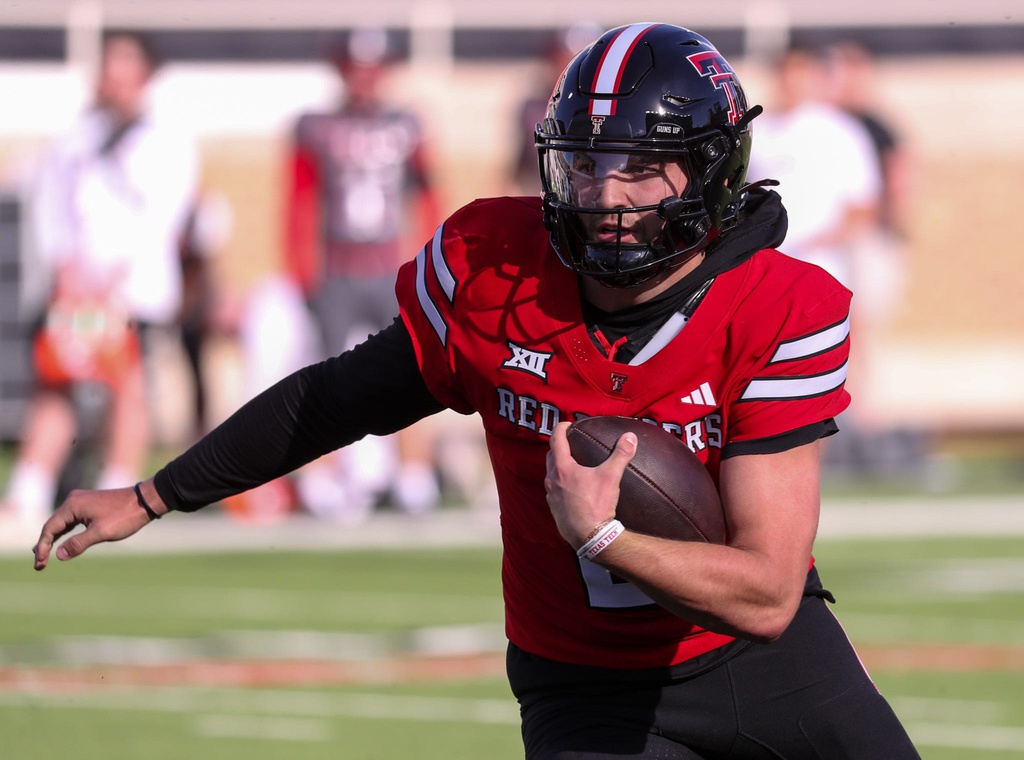
- According to several reports, Texas Tech transfer quarterback Brendan Sorsby is entering a gambling addiction program
- Sorsby reportedly made thousands of online sports bets on a variety of sports
- Sorbsy allegedly bet on Indiana football while redshirting his season as a freshman, but did not appear in any games he bet on
A high-profile Texas Tech transfer quarterback, Brendan Sorsby, has entered a gambling addiction program after reportedly making thousands of online sports bets, according to an ESPN report.
Sorsby, a transfer from the University of Cincinnati, was slated to be Texas Tech’s starting quarterback for the upcoming season. However, Sorsby checked himself into a residential treatment program for a gambling addiction after the discovery that he had placed thousands of online sports bets through a sports betting platform.
The extent of his sports betting activity could place his eligibility with Texas Tech and NCAA athletics at risk.
Betting on Indiana in 2022
Sorsby began his NCAA football career at Indiana in 2022, redshirting with the team as a true freshman. According to ESPN, Sorsby placed several bets on Indiana to win several matchups during the season. Sorsby only appeared in one game as a reserve that season, but did not place a bet on that particular game.
An ESPN sourced described Sorsby’s gambling as a “steady flurry of small bets over a period of time.”
“We love Brendan and support his decision to seek professional help,” Texas Tech head coach Joey McGuire said in a statement. “Taking this step requires courage, and our primary focus is on him as a person. Our program is behind Brendan as he prioritizes his health.”
Sorsby transferred to Texas Tech from Cincinnati in the offseason and projected to be the university’s starting quarterback. However, his future with the team and with NCAA athletics is now in doubts.
According to NCAA guidelines, a student-athlete who wagers on their own games or on other sports at their own schools may potentially face permanent loss of collegiate eligibility in all sports. ESPN reported Sorsby did place bets on Indiana football during his redshirt freshman season at the school, but only bet on the team to win.
Additionally, if a student-athlete is found to be wagering on their own sport at another school they could potentially lose 50% of one season of eligibility if reinstated.
The NCAA has yet to announce any official actions against Sorsby. NCAA enforcement could investigate his actions, which would then be taken up by the NCAA’s Division I Committee on Infractions.
Betting Ban Remains in Place
The NCAA considered amending its sports betting rules in 2025, actually going so far as to approve legislation to permit student-athletes and athletics department staff members to bet on professional sports.
However, the NCAA reversed course on its decision last November, as two-thirds of Division I members schools voted to rescind a previously approved rule change to allow student-athletes, coaches, and staff to bet on professional sports.
The ban on all forms of betting remains in place for all three NCAA divisions.
Reports began to arise in late 2025 that the NCAA and its divisions were having second thoughts on the change due to a recent crop of sports betting scandals. According to a report from ESPN, SEC commissioner Greg Sankey sent a letter to NCAA President Charlie Baker after the approval, noting that the rule change is a “major step in the wrong direction.”
“On behalf of our universities, I write to urge action by the NCAA Division I Board of Directors to rescind this change and reaffirm the Association’s commitment to maintaining strong national standards that keep collegiate participants separated from sports wagering activity at every level,” Sankey wrote in the letter. “If there are legal or practical concerns about the prior policy, those should be addressed through careful refinement – not through wholesale removal of the guardrails that have long supported the integrity of games and the well-being of those who participate.”
Regulatory Writer and Editor
Robert Linnehan covers all regulatory developments in online gambling and sports betting. He specializes in U.S. sports betting news along with casino regulation news as one of the most trusted sources in the country.