Bipartisan Federal Legislation Introduced to Ban Sports Prediction Markets

By Robert Linnehan in Sports Betting News
Published:
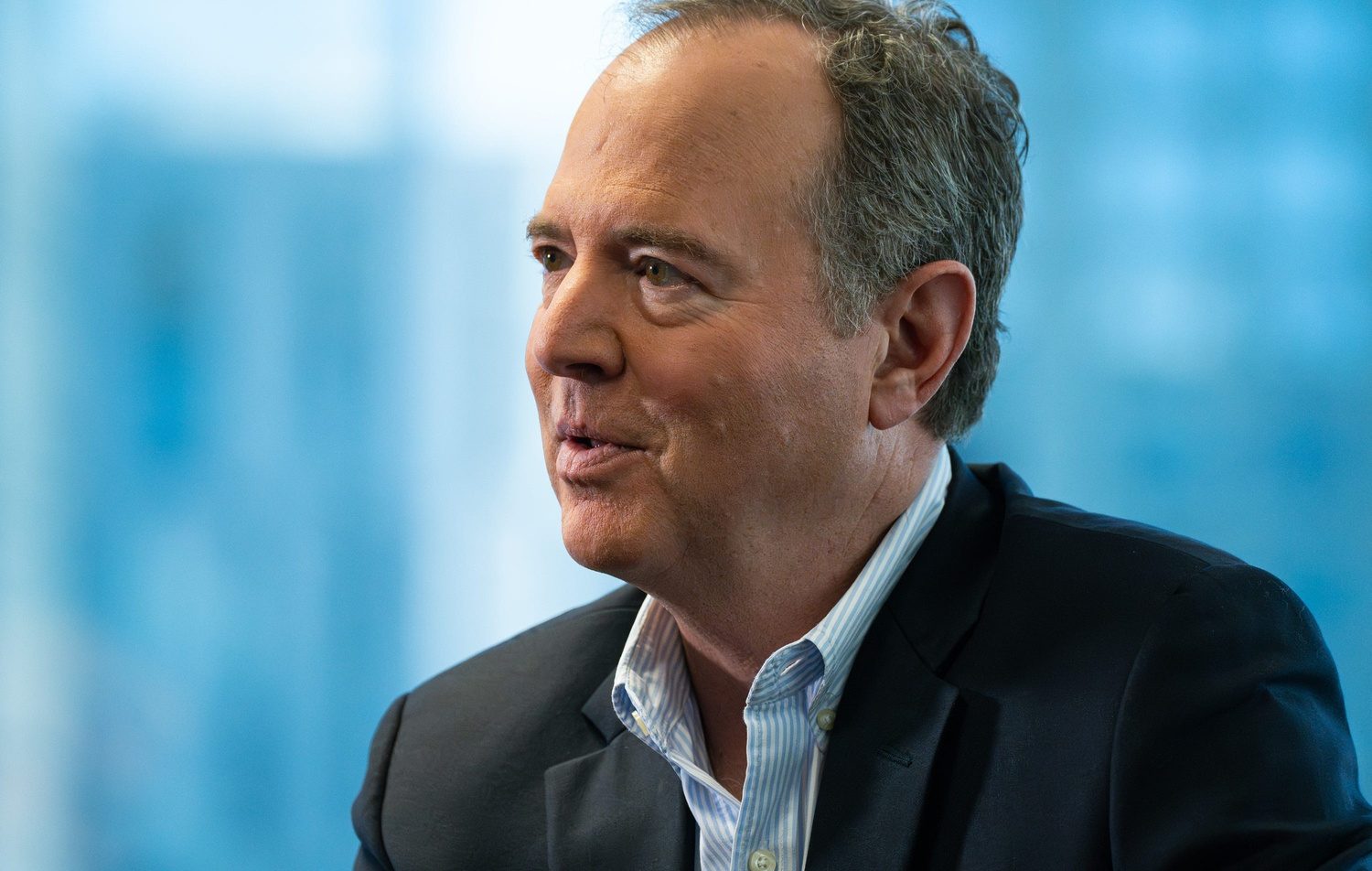
- A new federal piece of legislation seeks to prohibit sports event contracts
- Sens. Adam Schiff (D-Calif.) and John Curtis (R-Utah) today introduced the Prediction Markets Are Gambling Act
- Schiff described sports event contracts as sports bet in a press release
Another day, another federal bill to prohibit sports event contracts.
Sens. Adam Schiff (D-Calif.) and John Curtis (R-Utah) today introduced the Prediction Markets Are Gambling Act, a bill to prohibit Commodity Futures Trading Commission registered entities to offer sports event contracts, or any contracts that resemble a sports bet or casino-style game.
“Sports prediction contracts are sports bets — just with a different name. And yet, these contracts have been offered in all fifty states in clear violation of state and federal law. Rather than enforce the law, the CFTC is greenlighting these markets and even promoting their growth. It’s time for Congress to step in and eliminate this backdoor which violates state consumer protections, intrudes upon tribal sovereignty, and offers no public revenue. I’m proud to partner with Senator Curtis to put a stop to these illegal markets,” Sen. Schiff said in a press release.
Latest Bill Banning Sports Prediction Contracts
The legislation, if approved, will prohibit the follow types of sports event contracts:
“The term ‘sporting event or athletic competition’ means any live or virtual contest involving physical activity or skill in which individuals or teams compete and performance determines an outcome or statistical result, including amateur, collegiate, and professional sports.”
Additionally, casino-game style contracts will also be prohibited under the bill, which will include any game traditionally found in a casino, including slot machine games, video poker, blackjack, roulette, craps, any other casino-style table game, bingo, lottery, and any simulation of any of those games,” according to the bill.
The bill ultimately leaves control over regulation to the states, allowing them to exempt themselves from the sports event contract prohibition if they so choose and regulate the contracts.
“Too many young people in Utah are getting exposed to addictive sports betting and casino-style gaming contracts that belong under state control, not under federal regulators,” Sen. Curtis said. “Our bipartisan legislation clarifies regulatory jurisdiction, ensuring that states can maintain their authority over sports betting and casino gaming. The Prediction Markets Are Gambling Act is about respecting states’ authority, protecting families, and keeping speculative financial products out of spaces where they don’t belong,” Sen. Curtis said in a release.
Several Bills Introduced Banning Sports Event Contracts
Prediction markets, especially event contracts related to sports and war, have come under fire in the last several months. A number of pending lawsuits against prediction market companies are ongoing and several members of Congress have introduced legislation to limit the offerings.
Reps. Blake Moore (R-UT) and Salud Carbajal (D-CA) earlier this month also introduced a bill to prohibit the trading of all event contracts related to sports, terrorism, assassination, war, election outcomes, or illegal activity.
The Event Contract Enforcement Act seeks to “amend the Commodity Exchange Act to prohibit event contracts based on terrorism, assassination, war, gaming, illegal activity, election outcomes, government activities, or other activities determined by the Commodity Futures Trading Commission to be contrary to the public interest.”
However, the bill includes a clause which allows a state to exempt itself from the prohibition on gaming contracts, giving them the final say on the controversial prediction market contracts.
Rep. Dina Titus (D-NV) introduced the Fair Markets and Sports Integrity Act in February, which aims to prohibit prediction market companies from offering sporting event or casino-style gaming contracts throughout the U.S.
Titus introduced HR 7477 on Feb. 10. If approved, a “registered entity may not list for trading, facilitate, or clear any agreement, contract, or transaction that is based on, references, or derives its value from, or otherwise involves any sporting event or athletic competition; or any casino-style game.”
Regulatory Writer and Editor
Robert Linnehan covers all regulatory developments in online gambling and sports betting. He specializes in U.S. sports betting news along with casino regulation news as one of the most trusted sources in the country.