CFTC Takes Prediction Market Fight to Three States

By Robert Linnehan in Sports Betting News
Published:
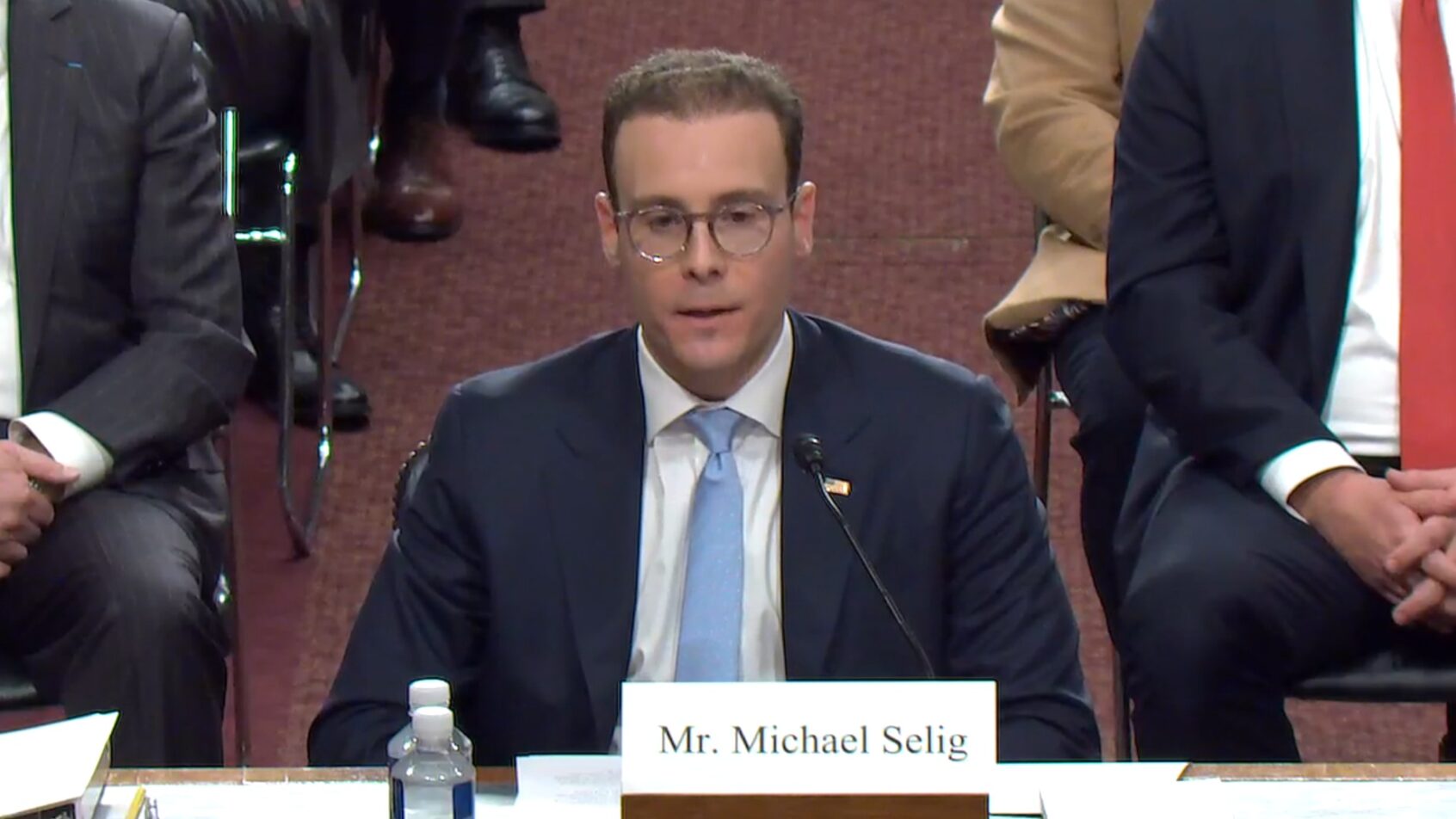
- The Commodity Futures Trading Commission filed lawsuits against Arizona, Connecticut, and Illinois regarding prediction markets
- The commission filed lawsuits reaffirming its jurisdiction to regulate event contracts under the Commodity Exchange Act
- Chairman Michael S. Selig said the commission will continue to safeguard its authority over the markets
The Commodity Futures Trading Commission is no longer sitting on the sidelines for the fight of regulatory control over prediction markets.
The Commodity Futures Trading Commission (CFTC) last week filed three lawsuits challenging the actions of Arizona, Connecticut, and Illinois against prediction markets, namely state actions against sports event contracts.
“The CFTC will continue to safeguard its exclusive regulatory authority over these markets and defend market participants against overzealous state regulators,” CFTC Chairman Michael S. Selig said in a release. “This is not the first time states have tried to impose inconsistent and contrary obligations on market participants, but Congress specifically rejected such a fragmented patchwork of state regulations because it resulted in poorer consumer protection and increased risk of fraud and manipulation.”
CFTC Has Exclusive Jurisdiction Over Markets
The CFTC filed lawsuits against each of the three states regarding their actions to try and regulate prediction markets within their borders. On the social media platform X, Selig noted Connecticut and Illinois both issued cease-and-desist letter to CFTC-regulated exchanges to prohibit sports event contract trading.
In addition to cease-and-desist letters, Arizona also brought criminal charges against Kalshi, alleging the prediction market company is operating an illegal gambling business in the state without a license.
In its filed lawsuit in Illinois, CFTC counsel claim the state “misapprehend both the nature of these contracts and the federal regulatory framework.”
“Event contracts, including sports-related event contracts that are listed on DCMs, are covered by the CEA, and the CEA prohibits States from invading the CFTC’s exclusive jurisdiction over event contract transactions offered by and executed on federally regulated DCMs. By prohibiting these DCMs from operating in Illinois without an Illinois license or by conditioning their operation on compliance with Illinois laws and regulations, Defendants directly interfere with Plaintiffs’ authority pursuant to the federal scheme imposed by Congress through the CEA.”
The CFTC requested in its lawsuit that the courts should “put an end to the ongoing efforts by Defendants to undermine application of federal law” when it comes to regulating the prediction markets.
CFTC Issues Prediction Market Advisory
The CFTC recently issued an advisory regarding the listing for trading event contracts, underscoring the obligation for designated contract markets to only trade event contracts that are not readily susceptible to manipulation.
According to the Commodity Federal Trading Commission Division of Market Oversight (DMO), the majority of sports event contracts offered by designated contract markets (DCM) where the settlement depends on the performance of multiple participants over an extended period of play have been consistent with the core obligation to avoid potential manipulation.
However, the DMO also reported that sports event contracts based on the outcomes of a “single individual or a small group of individuals” may be subject to heightened manipulation or price distortion risks.
The DMO issued advisory reminds DCMs they have self-regulatory obligations for the contract markets they operate.
“As front-line regulators, DCMs should be proactive, ensuring proper surveillance and oversight of trading in all of the products that they list, accounting for the particular characteristics and attributes of each product,” the advisory notes.
The DMO pointed to DCM Core Principle 3, which requires that each DCM list for trading only derivative contracts that are not readily susceptible to manipulation. According to the DMO, while the majority of sports event contracts depending on the performance of multiple participants over an extended period of play are consistent with this core principle, those that deal with single individuals or a small group of individual may be subject to heightened manipulation.
Regulatory Writer and Editor
Robert Linnehan covers all regulatory developments in online gambling and sports betting. He specializes in U.S. sports betting news along with casino regulation news as one of the most trusted sources in the country.