Maine to Become Eighth State to Legalize iGaming

By Robert Linnehan in Sports Betting News
Published:
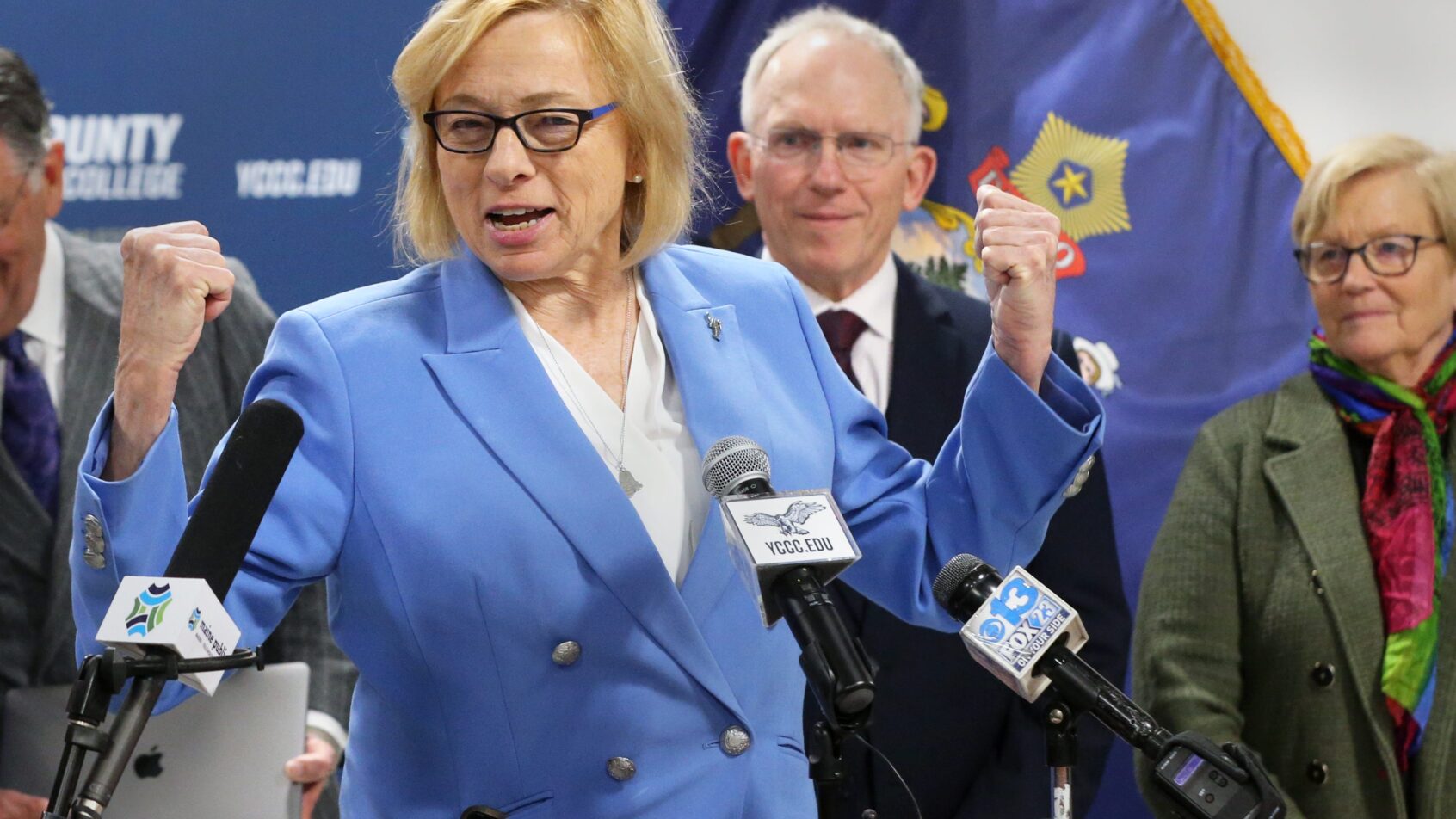
- Maine Gov. Janet Mills (D) will allow iGaming to become law
- The Maine House and Senate approved LD 1164, a bill to legalize iGaming, this past June
- Bill grants exclusive iGaming control to Maine’s four tribes of the Wabanaki Nations
Maine will officially become the eighth state to legalize iGaming, as Gov. Janet Mills (D) today announced her intention to allow LD 1164 to become law.
The new piece of legislation will grant exclusive iGaming control to the four tribes of the Wabanaki Nations – the Maliseet, Micmac, Penobscot, and Passamaquoddy tribes – similar to how Maine lawmakers approved sports betting.
“This fall, I met with the five elected Chiefs of the Wabanaki Nations, who each spoke passionately about the importance of this bill in offering life-changing revenue for Tribal communities, as well as providing a form of economic sovereignty for their Nations,” Governor Mills said.
iGaming to Become Law
Mills will likely choose to not veto the bill, simply allowing it to become law without her signature. When finally approved, each of the four tribes will be allowed to partner with a third-party operator for its iGaming platforms. Tribes can offer Maine online casino games not limited to blackjack, poker, dice, craps, roulette or baccarat.
The games will be taxed at a rate of 16%. Maine will earmark iGaming funds to address problem gaming programs, substance use disorder, veteran housing, and emergency housing relief. A fiscal note for the bill reports the state can expect $3,600,000 in new tax revenues by fiscal year 2026-2027.
Operator partnerships will likely shake out similarly to Maine sports betting. Currently, the Mi’kmak Nation, Maliseet Tribe, and Penobscot Nation are partnered with Caesars Sportsbook for their retail and online sports betting services, while the Passamaquoddy Tribe is partnered with DraftKings.
Mills said she carefully considered the bill before deciding to allow it to become law. Despite concerns over impacts of gambling on public health, the governor said she is confident it will be well-regulated by the Maine Gambling Control Unit.
“I considered this bill carefully, and while I have concerns about the impacts of gambling on public health, I believe that this new form of gambling should be regulated, and I am confident that Maine’s Gambling Control Unit will develop responsible rules and standards to hold providers of this new form of gambling accountable while ensuring that Maine’s tribes benefit from its operations. It has always been my strong desire to work with Tribal leaders to improve the lives and livelihoods of the Wabanaki Nations, and it is my hope that this new revenue will do just that,” she said.
Members of Maine’s Wabanaki nations supported the legislation and the governor’s decision. Chief William Nicholas Sr. of the Passamaquoddy Tribe at Indian Township said the legislation will mark an “economic turning point for the Passamaquoddy people and for all Wabanaki Nations.”
“Before this, the Governor supported launching Maine’s mobile gaming market with a model based on Wabanaki ownership and key tax law changes that promoted economic growth at the Tribal nation, individual, and household levels. Our economies are undoubtedly stronger due to positive state policy changes under Governor Mills. Through her leadership over two terms, she has demonstrated an unmatched commitment to tribal self-determination and prosperity, earning her place as the greatest ever Maine Governor champion for Wabanaki economic progress. We are deeply grateful for her partnership and support,” he said.
Maine Gambling Control Unit Had Supported Bill’s Veto
While the Maine Gambling Control Unit with regulate and oversee the new gaming market in the state, the unit had recently supported a veto of the legislation.
The Maine Gambling Control Unit sent a letter to Gov. Mills on Dec. 17, 2025, urging her to veto LD 1164. The Gaming Control Board shared concerns over the bill, alleging that if legalized it will create an iGaming monopoly for the Wabanaki Nations, shutting out two other land-based casinos from the new form of gaming.
Steven J. Silver, Chairman of the Gaming Control Board, wrote to Mills on behalf of the board last month. The letter, obtained by Sports Betting Dime, urges Mills to veto the legislation, noting that in its current form iGaming would be harmful to consumers and Maine casino workers.
“Although the Board has varying personal opinions about the general merits of legalizing Internet Gaming (“iGaming”), we are unified in our belief that any qualified operator should have the ability to obtain an iGaming license including the Wabanaki Nations. Cutting out Oxford and Hollywood Casinos entirely from offering iGaming is ill-advised and creates a monopoly that is harmful to consumers and the Maine workers employed by Oxford and Hollywood Casinos.”
Silver warned the iGaming bill only approves the new form of gaming for the Wabanaki Nations, excluding both Oxford Casino and Hollywood Casino. Without allowing the two casinos to benefit from iGaming revenues, this could potentially lead to the loss of 100 to 200 casino jobs.
Despite their objections, the new iGaming market will now come under the board’s purview.
Regulatory Writer and Editor
Robert Linnehan covers all regulatory developments in online gambling and sports betting. He specializes in U.S. sports betting news along with casino regulation news as one of the most trusted sources in the country.