Michigan Attorney General Sues Kalshi Over Sports Event Contracts

By Robert Linnehan in Sports Betting News
Published:

- Michigan Attorney General Dana Nessel has levied a lawsuit against Kalshi
- The state is the latest to take preemptive legal action against the prediction market company
- Michigan earlier warned licensed gaming operators to not engage in prediction market services
Michigan is the latest state to take preemptive legal action against Kalshi.
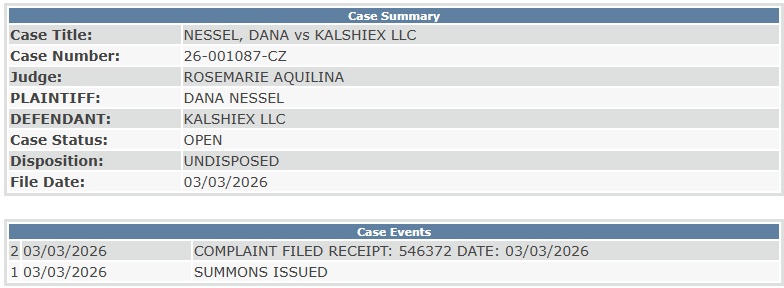
Michigan Attorney General Dana Nessel levied a lawsuit against the prediction market company in the 30th Judicial Circuit Court in Ingham County. The lawsuit seeks a permanent injunction against Kalshi to stop the company from offering sports event contracts in the Great Lakes State.
Nessel and the Michigan Gaming Control Board claim Kalshi runs afoul of Michigan’s sports betting laws and sports event contracts are tantamount to unlicensed gambling.
Preemptive Legal Action
The lawsuit has been assigned to Judge Rosemarie Aquilina.
Michigan is the second state to take preemptive legal action against Kalshi. Massachusetts became the first state to levy a lawsuit against Kalshi over its sports event contracts earlier this year.
In most cases, Kalshi is the first to act and sue states in federal court after receiving cease-and-desist notices to halt their sports event contract services. Michigan did not send the company a cease-and-desist notice, but did warn operators that involvement in prediction market services would not be tolerated.
The state sent letters to its licensed sports betting operators in October, warning them to steer clear of the prediction markets. Henry Williams, Executive Director of the Michigan Gaming Control Board (MGCB), warns operators that “any involvement in the offering of sports event contracts, directly or via an affiliate, key person, related business entity, or other association, will have implications relative to your licensure in Michigan.”
The regulator notes that the control board will take into consideration an operator offering sports event contracts in the state, and other jurisdictions, when determining continued suitability for licensure.
The letter was sent to all commercial casinos, gaming-related commercial casino suppliers, iGaming operators, iGaming suppliers, sports betting operators, sports betting suppliers, and fantasy contest operators in the state.
Same Issue at Play in Lawsuit
The lawsuit revolves around the central question of who regulates sports event contracts, and prediction markets, in general.
Companies such as Robinhood, Kalshi, and Crypto.com believe that state regulatory bodies do not have the right to intrude on the government’s “exclusive” authority to regulate prediction market, filing lawsuits in several states to defend its practices. These companies believe the CFTC is the only regulatory body that can legally block contracts from being offered to customers.
State gaming regulators maintain the markets need to be beholden to regulations, taxes, and license fees that sports betting and gaming operators are required to follow.
The prediction market companies believe their offerings are not required to comply with state laws, as they have been preempted by the Commodity Exchange Act.
Regulatory Writer and Editor
Robert Linnehan covers all regulatory developments in online gambling and sports betting. He specializes in U.S. sports betting news along with casino regulation news as one of the most trusted sources in the country.