Michigan Governor Proposes iGaming Tax Increase, New Sports Betting Charges

By Robert Linnehan in Sports Betting News
Published:
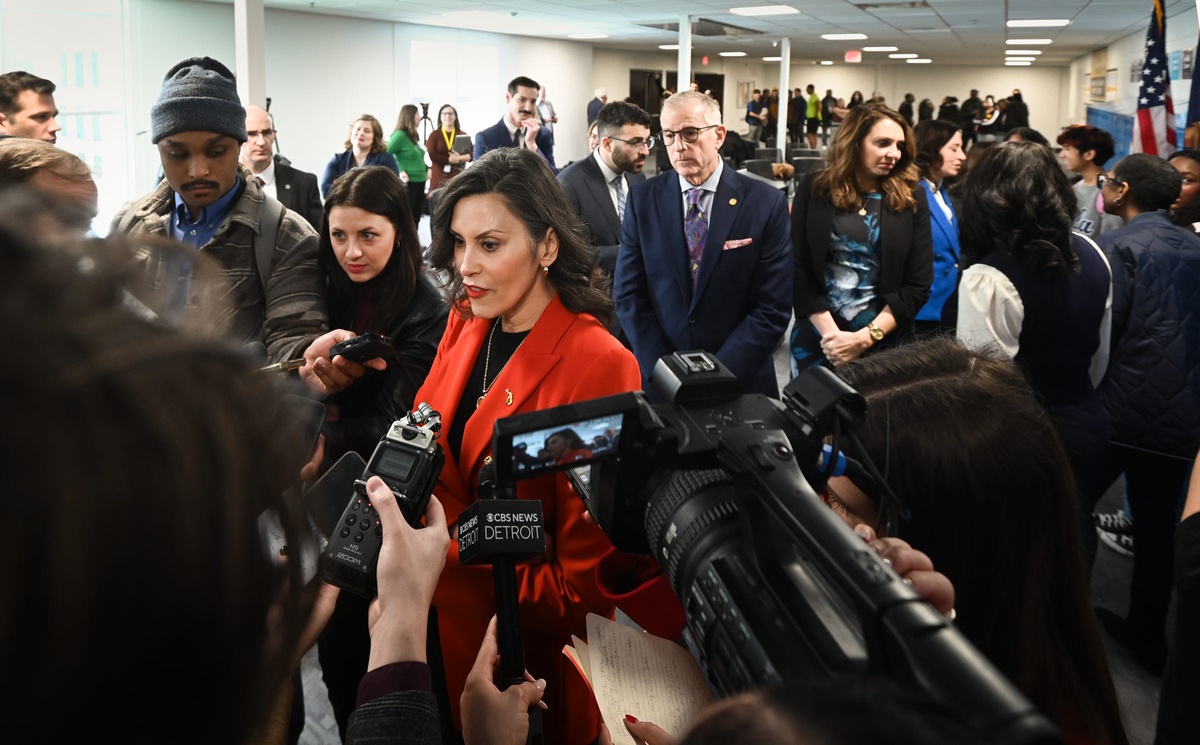
- Michigan Gov. Gretchen Whitmer (D) has proposed an increase to the state’s iGaming tax rate and a new per-bet sports betting charge
- The increases were included in her 2027 fiscal year budget proposal
- The proposal also includes a plan to eliminate free play deduction in the state
Michigan Gov. Gretchen Whitmer (D) has proposed an increase to Michigan’s iGaming tax rate and a new per-bet sports betting charge in her introduced 2027 fiscal year state budget.
The increased iGaming tax rate and new per-bet charges are projected to raise nearly $200 million in additional revenues to protect access to Medicaid coverage, according to her budget message.
“In the wake of devastating federal cuts to health care that have already raised premiums and could close hospitals and clinics, crowd emergency rooms, cut jobs, and kick hundreds of thousands of Michiganders off their health care, the budget recommendation takes decisive action to protect access to coverage and ensure the future sustainability of Medicaid.”
Millions in Additional Revenues
Gov. Whitmer’s proposal includes several specific changes to the state’s iGaming tax rate, sports betting framework, and online gaming tax structure.
Her budget proposal introduces an increased iGaming tax rate for licensed operators that goes into effect after a company earns more than $185 million in adjusted gross revenue in a year. For revenues above this threshold, the tax rate increased by 8 percentage points, bringing the total up to 36%. Anything less than $185 million will be taxed at the original rate of 28%.
Michigan’s iGaming market is the largest among the seven states that have legalized the form of gaming. In 2025, iGaming generated $2.9 billion in adjusted gross receipts in the state. By comparison, Pennsylvania generated 10% less in iGaming revenue than Michigan, but paid roughly 50% more in tax revenues for the year.
“The majority of internet casino profit comes from online slot machines and Michigan’s new 36% tax rate would remain significantly lower than Pennsylvania’s 54% rate for internet slots,” according to Michigan budget documents.
If approved, this would generate $135.5 million in new tax revenue for fiscal year 2027.
As for sports betting, her proposal introduces a new per-bet charge for each placed bet, mirroring a similar charge structure Illinois implemented for its license-holders this year. A new 25-cent per-bet tax would be placed on operator’s first 20 million annual bets. The tax would increase to 50-cents for each bet placed after the first 20 million.
The tax is estimated to generated $38.8 million in fiscal year 2027 if approved.
Finally, Gov. Whitmer proposed the elimination of free play deductions for sports betting operators. Under the budget proposal, operators would no longer be able to deduct wagers from their tax base, which is estimated to increase revenue by $21.1 million for the next fiscal year.
The new changes to Michigan’s gaming market, if all approved, will generate $192.8 million in new revenues for fiscal year 2027.
Latest State to Evaluate Rate Increases
Gov. Whitmer’s proposal comes just days after Arizona Gov. Katie Hobbs (D) introduced her own plan to increase the state’s sports betting tax rate.
In her latest $17.7 billion budget proposal, Gov. Hobbs proposed a new 45% Arizona sports betting tax rate for operators who bring in $75 million or more in handle per month, an increase from the state’s current 10% rate.
Arizona currently has the fifth lowest sports betting tax rate in the country.
The rate increase to 45%, according to the proposal, would bring in more than $145.9 million in sports betting tax revenues for fiscal year 2027. The revenues project to increase to $202.4 million by fiscal year 2029.
“The increased fee would have no impact on Tribal operators. The tiered structure would more closely align the Event Wagering fees with those set by other states. Arizona’s 10% fee is among the nation’s lowest, with only four states charging lower rates. In contrast, New York, New Hampshire, and Oregon all assess the highest fee of 51%,” according to the proposal.
Regulatory Writer and Editor
Robert Linnehan covers all regulatory developments in online gambling and sports betting. He specializes in U.S. sports betting news along with casino regulation news as one of the most trusted sources in the country.