Oxford Casino Files Lawsuit To Block Maine Online Casino Legalization

By Drew Ellis in Online Casino
Published:
Not everyone is celebrating the legalization of Maine online casinos.
One of the state’s two commercial casinos, Oxford Casino Hotel, has filed a lawsuit looking to block the new law.
According to the Portland Press Herald, the casino and its corporate owners are suing Maine’s gambling control unit, arguing it would cost the Oxford Casino Hotel millions of dollars.
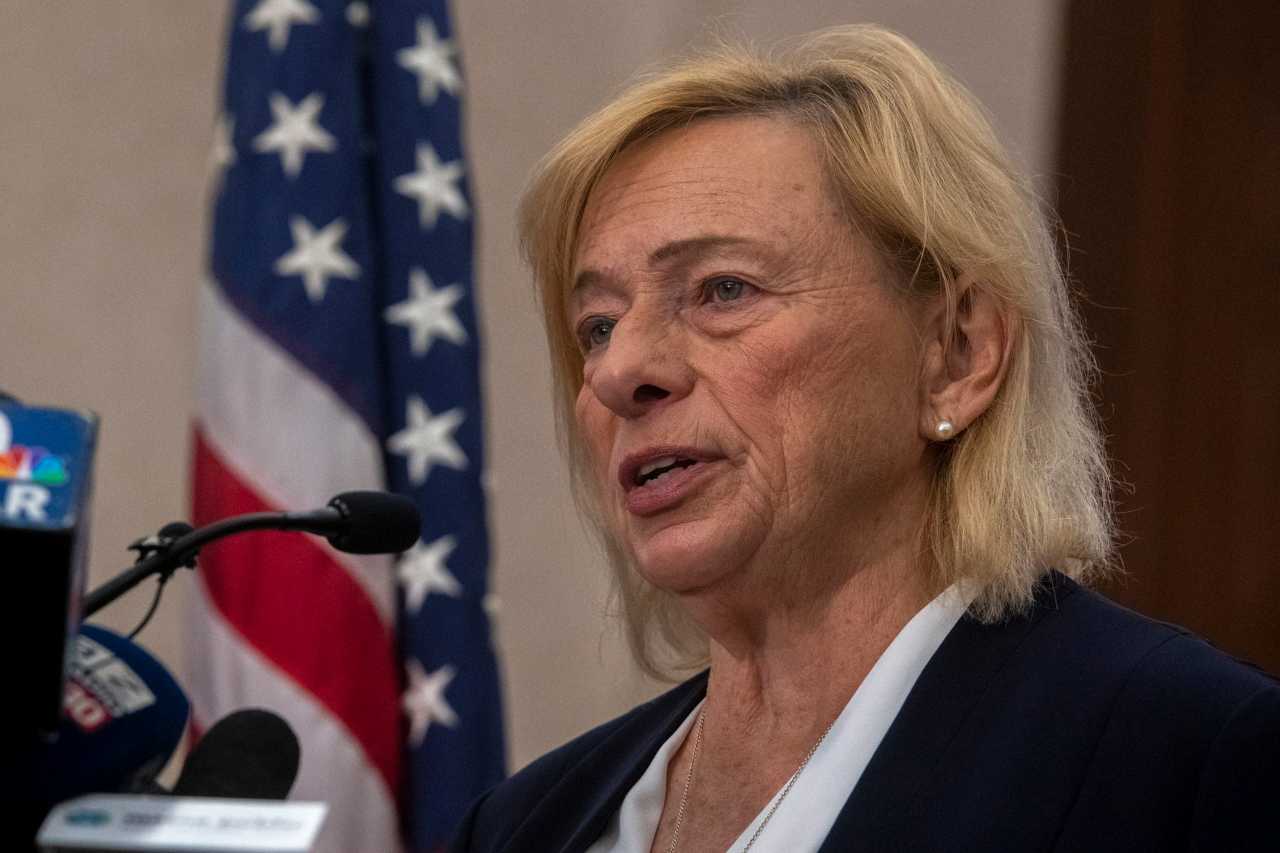
LD 1164 is a bill that Gov. Janet Mills allowed to pass without her signature earlier this month, making online casino gambling legal in the state. The bill grants online licenses exclusively to the four tribes of the Wabanaki Nations.
The move excludes the state’s two land-based casinos from being able to provide iGaming, including the Oxford Casino. Oxford’s lawsuit accuses the state of unlawfully granting a monopoly for online casino gaming to the Wabanaki Nations, describing it as a “race-based monopoly.”
Oxford Casino Says iGaming Bill is Discrimination
Early in January, Gov. Mills decided to let LD 1164 become law without a signature or veto.
The legislation granted exclusive iGaming control to the four tribes of the Wabanaki Nations. They are Maliseet, Micmac, Penobscot, and Passamaquoddy.
The bill excludes any license availability for Oxford Casino and Hollywood Casino, the state’s two commercial casinos.
In their lawsuit, the Oxford Casino is accusing the state of violating the Equal Protection Clauses of the United States and Maine. Those prohibit against discrimination.
“Promoting iGaming through race-based preferences deals a gut-wrenching blow to Maine businesses like Oxford Casino that have heavily invested in the state and its people,” the lawsuit reads.
The casino referenced a study from the National Association Against iGaming that online casinos could cost Maine around 375 jobs, $22 million in lost labor income, and $60 million in lost value throughout the state’s economy.
Wabanaki Tribe Limited to Online Gambling
This lawsuit is a bit of a flip-flop from what the Wabanaki Tribes have experienced in Maine in trying to secure a retail casino of their own.
The tribal nation has faced resistance from lawmakers and commercial casino owners in their efforts to get into Maine’s gambling industry for years.
In other states, federally recognized tribes have been able to run commercial casinos on their tribal lands through the Indian Gaming Regulatory Act. That law doesn’t apply in Maine, which has created an uphill battle for the state’s tribes to get into the gambling industry in the state.
However, in 2023, the Wabanaki Nations were granted exclusive rights to offer sports betting in Maine, similar to the legislation that will allow them exclusive iGaming rights.
“Wabanaki Tribes have been closed out of this market until Governor Mills initially supported the Tribes in Sports Betting and now iGaming,” William Nicholas, chief of the Passamaquoddy Tribe at Motahkomikuk (Indian Township), said in a written statement to the Portland Press Herald. “For years out-of-state interests have been enriched in their monopoly and now are attacking Mainers who are here to support and keep Maine economics in Maine.”
The two commercial casino operators have come out against online gambling expansion without their inclusion.
The current bill expects to see $3.6 million in new tax revenue created for Maine in fiscal year 2026-27 thanks to a 16% tax rate on iGaming revenue.
Drew Ellis has decades of experience in media covering sports, gambling and general news. He has provided news coverage for online and retail casino developments across the US and around the globe.