Lawsuit Seeks to Prohibit Wisconsin Tribal Online Sports Betting

By Robert Linnehan in Industry
Updated: August 7, 2026 at 10:29 am EDTPublished:
- A lawsuit filed on behalf of two taxpayer associations have been filed in Wisconsin to prohibit tribal-led online sports betting
- The Wisconsin Institute for Law & Liberty filed the lawsuit in Wisconsin Circuit Court of Waukesha County
- The lawsuit asserts it is unconstitutional for the Wisconsin legislature to authorize gambling in any form
The Wisconsin Institute for Law & Liberty filed a lawsuit in Wisconsin Circuit Court of Waukesha County this week to block tribal-led Wisconsin online sports betting, asserting it is unconstitutional for the state legislature to authorize new forms of gambling.
Representing two taxpayer associations, the Wisconsin Institute for Law & Liberty (WILL) notes in its filed lawsuit that the new sports betting “gambling monopoly” violates the Wisconsin Constitution, which state voters amended in 1993 to prohibit the legislature from “authoriz[ing] gambling in any form” beyond certain exceptions.
“Thirty-three years ago, Wisconsinites expressed through a constitutional amendment that the legislature may not expand gambling in any form. Neither lawmakers nor Governor Evers are allowed to flout that constitutional limit. This lawsuit ensures that elected officials remain accountable to the people of Wisconsin by upholding the constitutional limits the people, themselves, called for,” WILL Associate Counsel Kirsten Atanasoff said in a released statement.
Suing to Stop ‘Unlawful Expansion of Gambling’
WILL filed the lawsuit on behalf of the Brown County Taxpayers Association and Citizens Defending Liberty taxpayer organizations. The associations are suing to stop what they believe is the unlawful expansion of gambling in Wisconsin.
According to the lawsuit, the Wisconsin legislature can only approve new forms of gambling in the state in “narrow exemptions,” which include bingo and raffles licensed by the state, pari-mutuel on-track betting, and the state lottery.
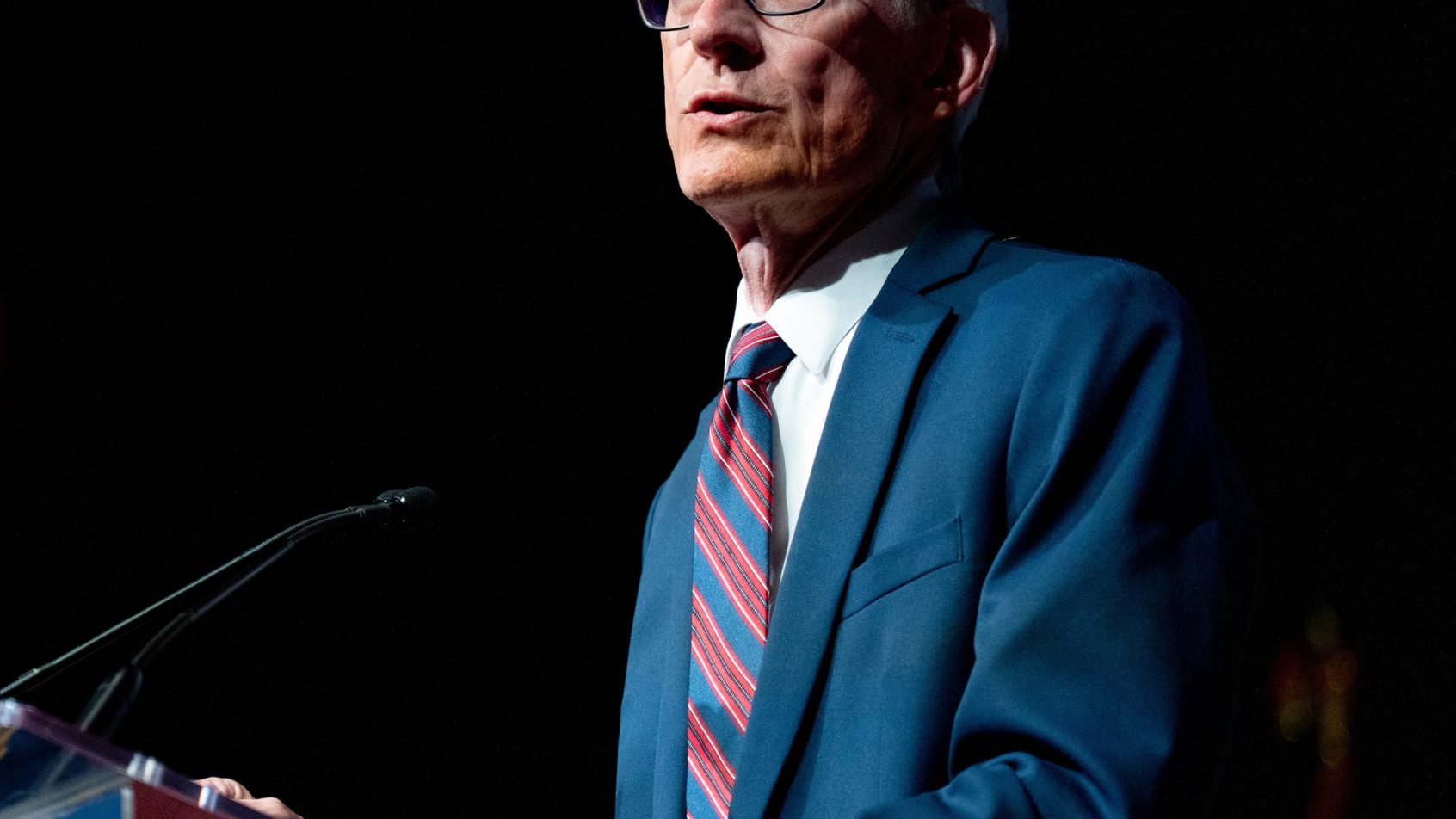
Earlier this year, Wisconsin Gov. Tony Evers (D) signed a bill to legalize Wisconsin online sports betting for state tribes.
Gov. Evers signed Rep. Tyler August’s bill, AB 601, into law, which allows the 11 Wisconsin tribes to amend their gaming compacts and offer online sports betting in the state. The approved bill allows Wisconsin tribes to offer online sports betting through a “hub-and-spoke system,” which is is the same methodology used by the Seminole Tribe to legalize online sports betting in Florida. The tribe began offering online sports betting in the state in 2021, arguing that since its servers were located on its tribal land, any bet placed in the state and processed through the device were technically made on tribal land.
As long as a Wisconsin tribe has an approved gaming compact with the U.S. Department of the Interior that allows sports betting, and processes sports bets through a server on its tribal land, online sports betting will be legal.
Tribes will have to renegotiate their gaming compacts to offer online sports betting through their own platforms or through partnerships with sports betting companies. The renegotiated compacts will have to be approved by the federal government.
No Amendment of Constitution
The legislature approved the new bill rather than asking voters to amend the Wisconsin constitution to allow for the new form of gaming.
“That law purports to authorize anyone located anywhere in the State of Wisconsin to place sports bets on a mobile device, so long as the mobile device is connected to servers located on American Indian lands that manage gambling operations pursuant to a gaming compact. Those changes violate the Wisconsin Constitution,” WILL notes in its lawsuit.
Additionally, WILL asserts Gov. Evers lacks the authority to negotiate compact amendments and the approved bill unlawfully grants an exclusive statement sports betting privilege based on “race through tribal membership, violating the Equal Protection Clause of the Fourteenth Amendment.”
The lawsuit asks the court to declare the approved and signed bill unconstitutional, block Gov. Evers from implementing the changes through tribal gaming compacts, and prevent state officials from authorizing or administering statewide online sports betting.
Regulatory Writer and Editor
Robert Linnehan covers all regulatory developments in online gambling and sports betting. He specializes in U.S. sports betting news along with casino regulation news as one of the most trusted sources in the country.