Former Texas Tech QB Brendan Sorsby Will Not Play in NFL in Upcoming Season

By Robert Linnehan in Industry
Published:
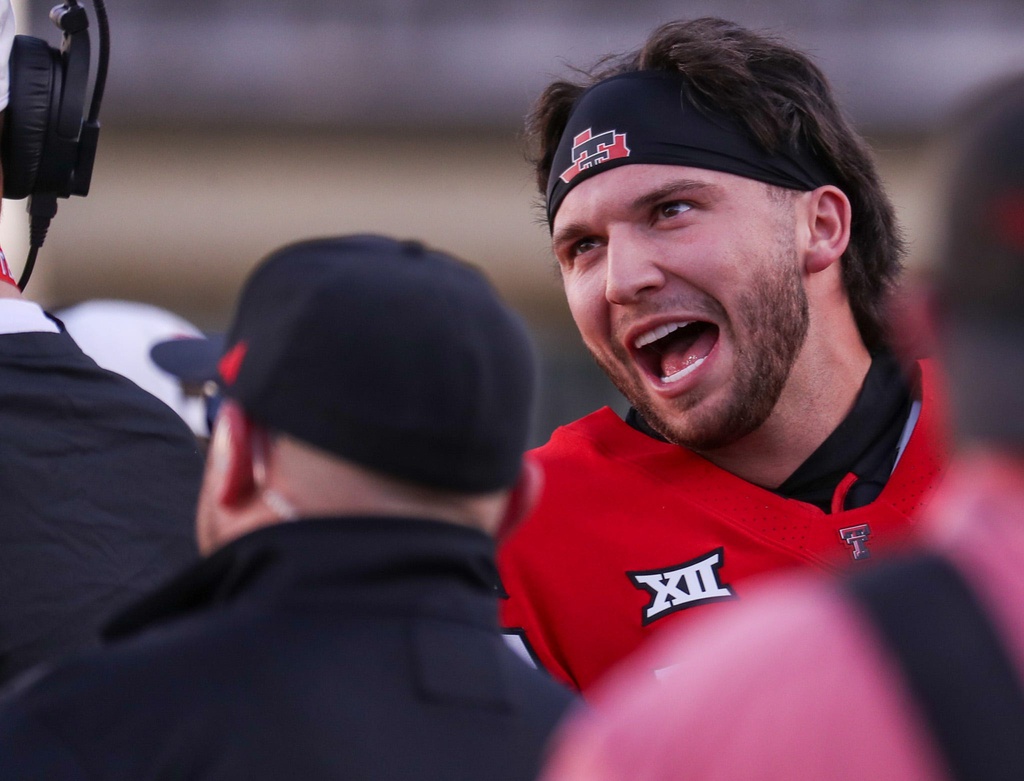
- The NFL today declined to hold a supplemental draft in July
- Former Texas Tech quarterback Brendan Sorsby applied for the supplemental draft amidst legal troubles for his sports betting activity
- Sorsby dropped a lawsuit against the NCAA last week to remain eligible for 2026, effectively ending his college football career
Former Texas Tech quarterback Brendan Sorsby’s gamble to enter the NFL through the league’s supplemental draft is not going to be a winner.
The NFL today informed Sorsby it will decline to hold its supplemental draft this July. The embattled former college quarterback was the only NCAA football player to register for the supplemental league draft.
Sorsby, who dropped his lawsuit against the NCAA last week and effectively ended his college football career, will have to wait to the 2027 NFL draft to potentially enter the league.
NFL Says Not This Year
According to Ian Rapoport, an NFL insider for the NFL Network, the collective bargaining agreement gives the league the power to decide when it will hold a supplemental draft. It is not required to be held annually, and the NFL informed Sorsby today it will not hold one this summer.
Rapoport included a letter the NFL’s Management Council sent to Sorsby upon its decision not to hold the supplemental draft. Written by Lawrence P. Ferazani, Jr., general council for the NFL, the league noted that it has not held a supplemental draft for many years, and even prior to Sorsby’s petition of interest, it did not plan to hold one this year.
The notice sent to Sorsby touched on his online sports betting activity while playing for both Indiana University and the University of Cincinnati. The league reported Sorsby’s petition to enter the supplemental draft provided “does not address these matters” or how he would adhere to the “League’s rules and policies governing the integrity of competition.”
His actions, the notice reads, did not demonstrate accountability for his conduct. After receiving notice of the NCAA’s decision to declare his ineligibility, Sorsby instead “sought to avoid the consequences of that determination through litigation rather than accepting responsibility for your actions, and you pursued entry into the NFL only after abandoning those efforts.”
“As Commissioner Goodell has emphasized, participation in the NFL is a privilege that carries with it significant responsibilities, including accountability. By all accounts, you are a talented player with the potential for future success. We encourage you to focus on preparing for possible entry into the NFL through the 2027 NFL Annual Draft,” Ferazani wrote.
Sorsby will have the opportunity to play for other professional football leagues in 2026, but not the NFL. Nor will he have any remaining eligibility for NCAA football.
According to ESPN’s Pete Thamel, Sorsby’s attorney, Jeffrey Kessler, said the league’s decision to not hold a supplemental draft is “a violation of the CBA and the law. We will pursue this immediately with the NFLPA.”
Online Sports Betting Led to Ineligiblity
Sorsby, a transfer from the University of Cincinnati, was slated to be Texas Tech’s starting quarterback for the upcoming season. However, this past April Sorsby checked himself into a residential treatment program for a gambling addiction after the discovery that he had placed thousands of online sports bets through a sports betting platform during his college football career.
The NCAA initially ruled Sorsby ineligible for the upcoming college football season after it was found he had placed thousands of online sports bets totaling more than $90,000 on professional and college sports while playing for both Indiana University and the University of Cincinnati. However, a Texas judge on June 8 granted Sorsby a temporary injunction to allow him to play for the university.
Despite the ruling, the NCAA requested an appeal of the decision and earlier this week the Big 12 filed for a federal injunction for the right to handle the Sorsby situation.
Sorsby instead declared his eligibility for the NFL supplemental draft on Tuesday, June 16. He then dropped his lawsuit against the NCAA on Thursday, June 18, effectively ending his college football career.
Years of Sports Betting
Sorsby began his NCAA football career at Indiana in 2022, redshirting with the team as a true freshman. Sorsby allegedly placed several bets on Indiana to win several matchups during the season. Sorsby only appeared in one game as a reserve that season, but did not place a bet on that particular game.
Sorsby transferred to Texas Tech from Cincinnati in the offseason and projected to be the university’s starting quarterback. Now he’s projected to be a highly sought after prospect in the NFL’s supplemental draft.
Cody Campbell, chairman of the Board of Regents of the Texas Tech University System, said in a statement that Texas Tech had no knowledge of his previous sports betting activity prior to him transferring to the program.
According to NCAA guidelines, a student-athlete who wagers on their own games or on other sports at their own schools may potentially face permanent loss of collegiate eligibility in all sports. Sorsby did place bets on Indiana football during his redshirt freshman season at the school, but only bet on the team to win.
Additionally, if a student-athlete is found to be wagering on their own sport at another school they could potentially lose 50% of one season of eligibility if reinstated.
Regulatory Writer and Editor
Robert Linnehan covers all regulatory developments in online gambling and sports betting. He specializes in U.S. sports betting news along with casino regulation news as one of the most trusted sources in the country.