Report: FTC Engaging in Potential Review of U.S. Sports Betting Industry

By Robert Linnehan in Industry
Published:
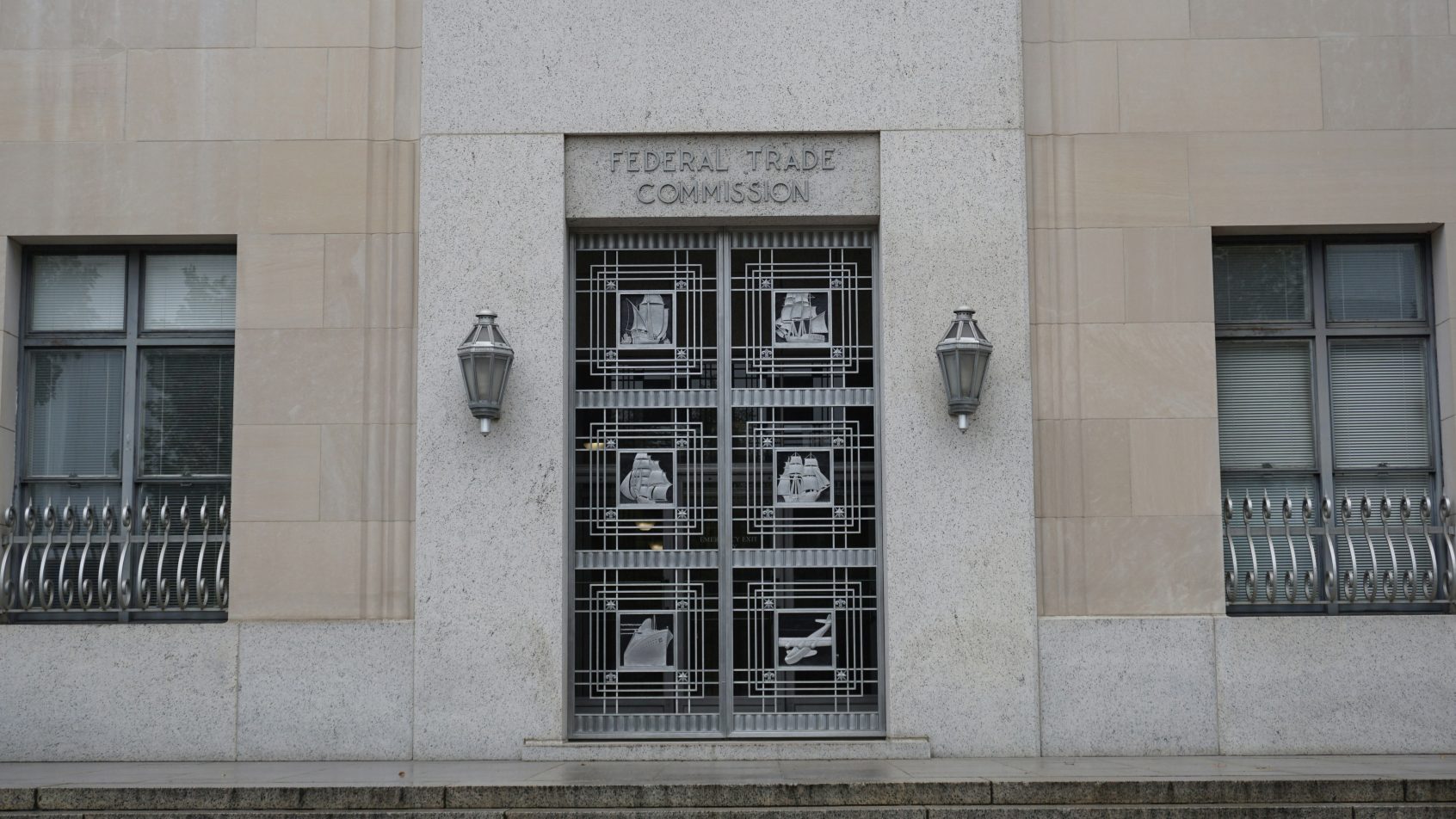
- According to a report from The Washington Sun, the Federal Trade Commission is in the early stages of an investigation into the sports betting industry
- The probe likely focuses on alleged deceptive and misleading advertisement
- The report notes the review will likely not include the prediction market industry
According to a recently published report from The Washington Sun, the Federal Trade Commission is in the early stages of an evaluation of the U.S. sports betting industry.
According to Jeff Stein of The Washington Sun, the Federal Trade Commission (FTC) is probing the $167 billion online sports betting industry, likely basing its evaluation on alleged deceptive and misleading advertisements from sports betting operators.
However, the review will not include prediction market operators such as Kalshi or Polymarket.
Early Stages of Evaluation
Stein reported that both political and career members of the FTC have started the early stages of the evaluation of the industry.
The evaluation will likely focus on potentially deceptive and misleading advertisements from sports betting operators, with Stein reporting that the major focus could be on sports betting giants DraftKings and FanDuel.
Both companies have come under fire since the repeal of PASPA in 2018 for advertising practices that many claim focus on customers who may be more susceptible to problem gaming habits or for advertisements that contain misleading information.
A FanDuel spokesperson confirmed with Sports Betting Dime that the company has yet to hear anything from the FTC.
Latest Piece of Bad Press for Industry
Both FanDuel and DraftKings, the titans of the U.S. sports betting industry, have come under recent fire.
The New York Times recently published a report on DraftKings and its use of artificial intelligence, alleging the company directed employees to develop a machine learning model to identify customers who would be most likely to respond to gaming promotions and most likely to lose.
After the published report, the Massachusetts Gaming Commission announced it would evaluate each of its licensed sports betting operators use of the controversial technology in the Commonwealth and how it affects their customer base.
FanDuel has also been the target of three members of Congress since the summer over personalized video messages sent to VIP customers. Sen. Richard Blumenthal (D-Conn.) and U.S. Reps. Paul D. Tonko (D-NY) and Valerie P. Foushee (D-N.C.) recently asked FanDuel to provide more information on 30 personalized video messages sent to VIP bettors over the course of the last two years.
The Congress members addressed the issue in a letter sent to FanDuel earlier this week, “demanding” the company provide copies of each of the personalized videos as well as information about whether the videos were sent to problem gamblers. The letter is in response to one sent to Congress members by FanDuel Senior Vice President Cory Fox on Sept. 24, in which the FanDuel executive acknowledged it had sent approximately 30 videos of athletes and entertainers over the last two years as “token of appreciation for a customer’s loyalty.”
Blumenthal, Tonko, and Foushee have criticized FanDuel’s VIP programs for customers since the summer, accusing the company of promoting harmful gaming activities through the program.
Consumer Choice Center Notes No Investigation Confirmed
David Clement, director of policy at the Consumer Choice Center, today noted in a press release put out by the independent, non-partisan international advocacy group, that caution should be exercised surrounding the preliminary agency discussion.
“It’s not clear that an FTC investigation into online sportsbooks actually exists. The Sun bears the hallmarks of a wish-casting PR strategy to encourage an investigation that is not currently underway. That said, deceptive advertising and predatory marketing practices deserve serious scrutiny in any regulated industry. That’s one of the benefits of bringing sports betting into the legal marketplace, where the public can have a say in regulation through their elected representatives, and agencies can examine behavior one a case-by-case basis. Lawmakers are empowered to establish clear consumer protections, and companies should always be held accountable when they break the rules. None of that requires treating adults who enjoy sports betting as incapable of making their own decisions—the vast majority of players to not exhibit signs of problem gambling,” Clement said.
Clement said no confirmed investigation has yet to be confirmed by the FTC.
Regulatory Writer and Editor
Robert Linnehan covers all regulatory developments in online gambling and sports betting. He specializes in U.S. sports betting news along with casino regulation news as one of the most trusted sources in the country.