Massachusetts ‘Bet on Respect’ Campaign May Effectively Reduce Sports Betting Harassment in Long Term

By Robert Linnehan in Industry
Published:
- Five states have launched initiatives to prohibit sports betting harassment of athletes, coaches, and officials
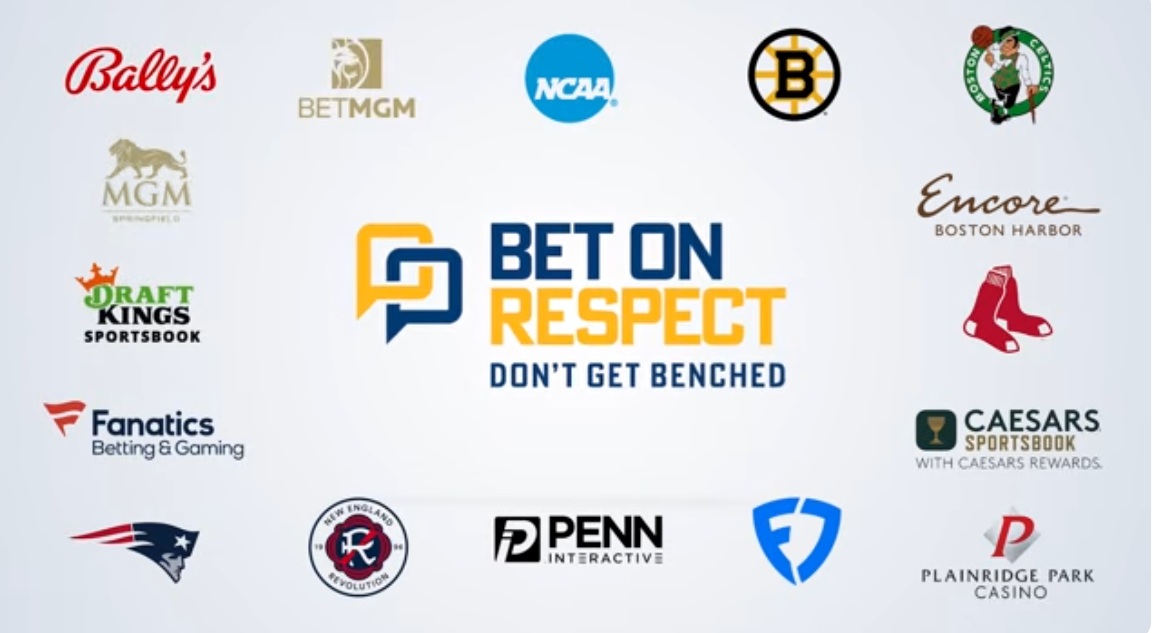
- Massachusetts most recently instituted its “Bet on Respect” awareness campaign which features a first of its kind reporting portal
- Daniel L. Krisch, an associate for Fox Rothschild who advises gaming industry clients, said reporting portal is next step in harassment reduction
As professional sports leagues appeal for more initiatives to stem sports betting harassment, state gaming regulators are beginning to consider programs and laws to dissuade sports bettors from taking their frustrations out on athletes, coaches, and officials.
Five states currently have programs or rules on the books allowing their regulatory bodies to take action against residents found to be engaged in harassing behavior related to sports betting. Wyoming, Ohio, Louisiana, West Virginia, and Massachusetts all have policies in place that allow their regulatory bodies to evaluate sports betting harassment incidents and intervene in situations to keep athletes, coaches, and league officials safe.
Daniel L. Krisch, a gaming attorney at Fox Rothschild who advises clients on licensing, regulatory compliance and transactional matters, told Sports Betting Dime there has been meaningful progress in these states to curb harassment, but a new and unique program in Massachusetts has the potential to be even more effective.
Leagues Want Additional Safeguards
More states will likely look to implement additional safeguards to reduce sports betting harassment, Krisch told Sports Betting Dime, as the private sector is now more focused on its reduction as well.
Five major U.S. professional sports leagues and their respective players associations recently urged greater regulatory action against individuals found engaging in sports betting harassment. The NFL, MLB, MLS, NBA and NHL, along with their respective players’ unions, sent letters to state gaming regulators urging harsher punishments for individuals found harassing both professional and amateur athletes, coaches, officials, and team personnel related to sports betting.
The leagues and player unions proposed three pieces of regulatory action for states with legalized sports betting to consider. The first, and most immediate, is a mandatory lifetime ban from sports betting activities from individuals verified to have “abusively harassed or issued threats of violence against any professional or amateur coach, official, team personnel, or their respective families.”
In accordance with this request, the associations urged states to implement a “streamlined reporting mechanism” for leagues, teams, players, and players’ associations to report harassment and evidence to threats related to sports betting.
Finally, the associations included a call for “operator accountability” to require commercial sports betting operators to monitor, flag, and ban accounts linked to abusive behavior toward athletes as a condition of licensing and maintaining their licenses.
“This signals a uniform industry-wide priority of protecting athletes that could soon expand beyond sports-related harassment against athletes to protect participants across all betting events and platforms,” Krisch said.
Reporting Incidents Key to Harassment Reduction
Several states have already implemented programs designed to reduce sports betting harassment. However, in late August, Massachusetts implemented its “Bet on Respect” campaign, a new zero-tolerance policy for sports betting harassment Krisch believes may be even more effective than traditional programs.
The Massachusetts Gaming Commission’s unique “Bet on Respect” awareness campaign includes a new portal for league representatives, players’ associations, college athletics programs, sports venues, or even players themselves to report suspected abuse.
The MGC will fully investigate each reported instance of alleged abuse. If patrons are found to have committed such acts, they may be subject to involuntary exclusion from sports betting platforms or casinos.
What separates the Massachusetts program from other states, Krisch said, is its unique online portal which allows amateur and professional athletes to report potential incidents of sports betting harassment directly to the Massachusetts Gaming Commission Investigations and Enforcement Bureau for next steps.
“The MGC’s ‘Bet on Respect’ initiative is certainly unique. It is the first state initiative of its kind with a dedicated reporting portal and email inbox that is easily accessible to the public. While some states have taken measures to curb athlete harassment through legislative action, Massachusetts’ infrastructure in this space, coupled with its investigative process and incorporation of the MGC Investigations and Enforcement Bureau, has potential to be more effective in curbing athlete harassment in the long term compared to existing state laws,” Krisch told Sports Betting Dime.
Upon review of the submission, the Investigations and Enforcement Bureau can take three potential courses of action:
- Take further investigatory action, including using subpoena power to gather additional evidence and/or identify the perpetrator.
- Determine that the incident does not meet the criteria for exclusion.
- Determine the incident does meet the criteria for exclusion and begin the exclusion process.
Patrons placed on an exclusion list will receive a letter notifying them of the decision and will be given 30 days to appeal the decision.
“From a legal standpoint, gaming commissions and licensed operators do have some discretion in choosing whether to exercise involuntary exclusion measures, and severity of those procedures will vary from state to state. That said, most jurisdictions with legalized sports betting have a dedicated administrative notice and hearing process, which preserves the right to challenge and/or appeal a legal ban,” Krisch said.
Four Other State Programs
In addition to Massachusetts, four other states previously implemented changes to regulations to deter sports betting harassment.
The Wyoming Gaming Commission approved changes to its regulations in December 2024 to better define harassment and voted to allow those found to be engaging in harassing behavior against athletes to be placed on an involuntary exclusion list to be banned from sports betting in the state.
Ohio legislators also included a provision in the Ohio 2024-2025 fiscal year budget to allow state regulators to permanently ban or place sports bettors on an exclusion list if they’re found to be harassing or threatening student-athletes over a sporting event.
West Virginia Gov. Jim Justice (R) signed a state bill into law in 2024. It allows the West Virginia Lottery Commission to effectively ban individuals from participating in sports betting for the following reasons:
- A prior conviction of this code
- A prior violation of an order from the lottery commission
- If the commission determines that the person poses a threat to the safety of patrons or participants in a sporting event or determines that the person has engaged in a pattern of conduct of harassing a sports official, coach, or any participants.
Louisiana legislators also this year signed a bill into law giving the Louisiana Gaming Control Board the power to exclude customers from either in-person or online sports betting if found engaging in sports betting harassment.
With five states having programs on the book to stem harassment, Krisch said its heartening to see regulators beginning to take the problem seriously.
“There has certainly been meaningful progress in other states, and most already have existing legal standards for involuntary exclusion that could arguably encompass athlete harassment and similar problems. I think what is most encouraging is the momentum, both from the state regulators and licensed sports betting operators and professional sports teams,” he said.
Regulatory Writer and Editor
Robert Linnehan covers all regulatory developments in online gambling and sports betting. He specializes in U.S. sports betting news along with casino regulation news as one of the most trusted sources in the country.