Unveiled North Carolina Budget Includes Sports Betting Tax Increase, New Prediction Market Tax

By Robert Linnehan in Industry
Published:
- After weeks of reports, North Carolina lawmakers unveiled the state’s proposed budget
- The budget document includes an increase to the state’s sports betting tax rate and a new tax on prediction markets
- University of North Carolina and North Carolina State will also receive cuts of the state’s sports betting tax revenue
After weeks of reports, North Carolina lawmakers unveiled the state’s proposed nearly $34 billion budget, which includes several changes to state taxes that will affect its sports betting and prediction markets.
The document will be discussed and potentially approved by the state House and Senate as early as this week. The final budget proposal does indeed include a long-rumored increase to North Carolina’s sports betting tax rate, but also includes a new tax for prediction market operators and a change to the college disbursement of sports betting tax revenues.
While most of the budget has been agreed on, both the House and Senate will have to approve the plan this week before its sent to Gov. Josh Stein (D) to be potentially signed into law.
Sports Betting Tax Increase
As expected, the budget document includes an increase from the state’s 18% sports betting tax rate to 23%. State lawmakers have discussed raising the tax rate since at least 2025, when North Carolina Senate members included an increase of the rate to 36% in their approved budget. The House of Representatives, however, did not advocate for an increase and it was ultimately not included in the state’s finalized budget document.
North Carolina currently has eight licensed online sports betting operators who pay an 18% tax rate on gross sports betting revenue. So far in fiscal year 2026, the licensed sports betting operators have contributed more than $133 million in tax revenues to North Carolina, according to the North Carolina State Lottery Commission.
If the tax rate is increased to 23%, the state would have taken in more than $170 million in tax revenues during the same period.
Changes to College Sports Betting Revenue Disbursements
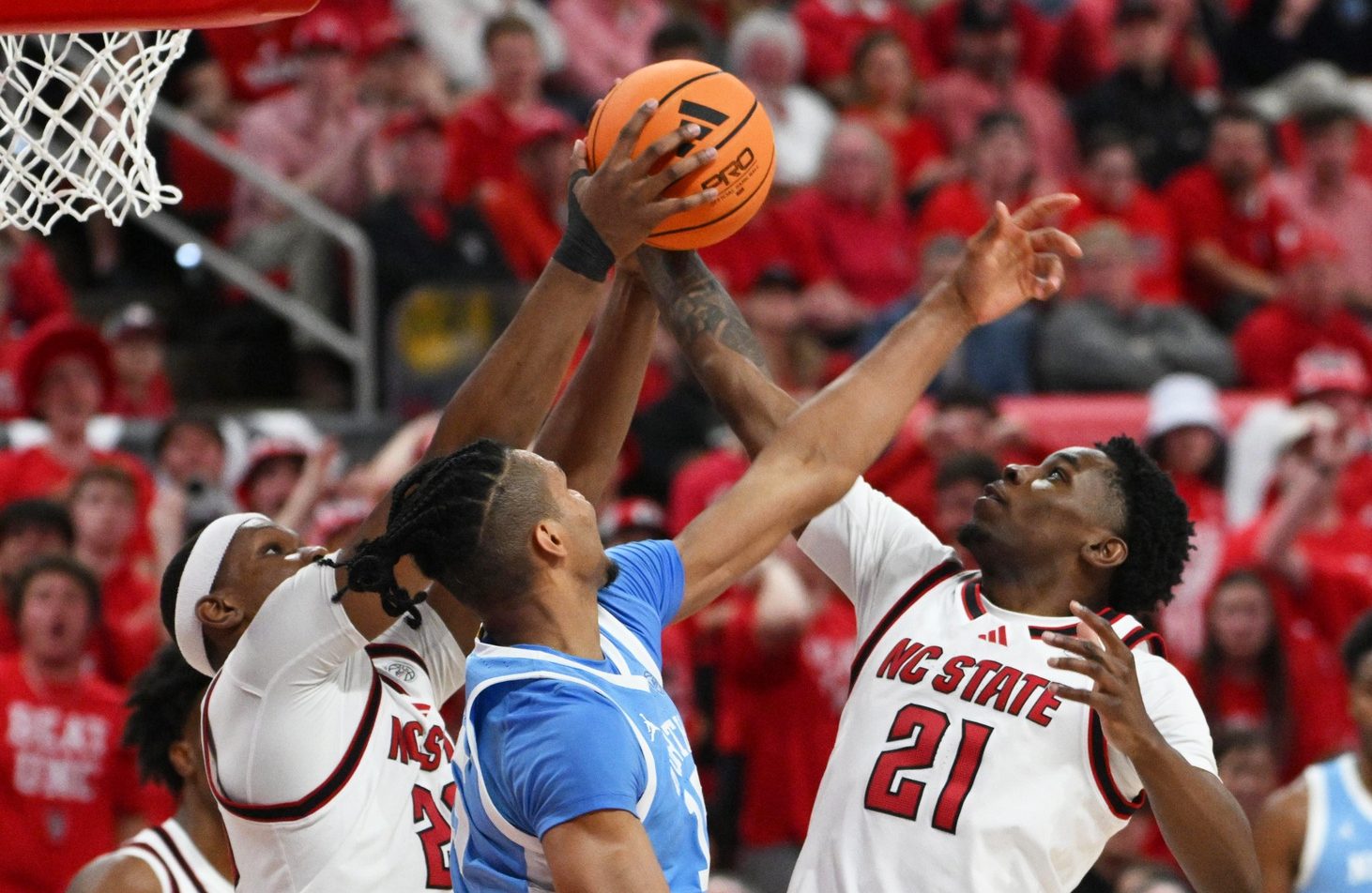
Additionally, the budget will also expand the number of North Carolina universities that will receive revenues from the sports betting market. The University of North Carolina and North Carolina State, under the budget proposal, will begin to see portions of the state’s sports betting tax revenues.
Currently, the state’s 13 other UNC schools receive sports betting tax revenue dollars, but UNC and NC State do not. Under the newest budget proposal, the two largest UNC schools would be eligible to receive sports betting tax revenues beginning July 1, 2027.
Under the new budget proposal, 2.2% of sports betting revenues annually will be distributed equally among Division I public universities, limited to $400,000 per school each year. For Division II public universities, 19.5% of sports betting revenues annually will be earmarked, limited to $2.9 million per school.
Finally, 5.7% will be earmarked annually among public universities in the state for which the men’s football program competes in the Division I football bowl subdivision of the NCAA. This will be limited to $2.5 million a year per school.
New Prediction Market Taxes
North Carolina lawmakers will also have to discuss a potentially controversial new tax rate for Commodity Futures Trading Commission (CFTC) licensed prediction market operators. The document includes a new 6% trading fee tax for operators.
The 6% tax will be imposed on “the operator’s net trading fee revenue apportionable to the state.” The tax does not impose any license, registration, or other regulatory requirements or obligations for CFTC-licensed prediction market platforms to operate in the state.
This new tax plan will likely be challenged by the CFTC and prediction market operators in court.
Gambling Loss Deductions Included
The budget proposal also includes an allowance for North Carolina gamblers to deduct losses against winnings on state income taxes. Currently, North Carolina gamblers have to pay taxes on their winnings during the year no matter their losses. This means, if a gambler wins $15,000 in bets on the year, but also loses $16,000 in bets on the year, they still are responsible for paying income taxes on the $15,000 won, despite losing $1,000 overall in bets on the year.
Up until last year, the federal government allowed gamblers to deduct losses on their taxes. President Donald J. Trump’s (R) One Big Beautiful Bill Act was signed into law in July 2025, which included a change to the Internal Revenue Code that only allows professional gamblers to deduct 90% of their losses in a year, down from 100%.
This will also potentially help offset a new bill passed by the North Carolina legislature requiring licensed sports betting operators report any users who win more than $2,000 in a year to the Department of Revenue to be taxed. It would allow users to deduct losses as well.
Regulatory Writer and Editor
Robert Linnehan covers all regulatory developments in online gambling and sports betting. He specializes in U.S. sports betting news along with casino regulation news as one of the most trusted sources in the country.