Astros vs White Sox Wild Card Odds, Picks, Schedule & Probable Pitchers
By Sascha Paruk in Uncategorized
Published:
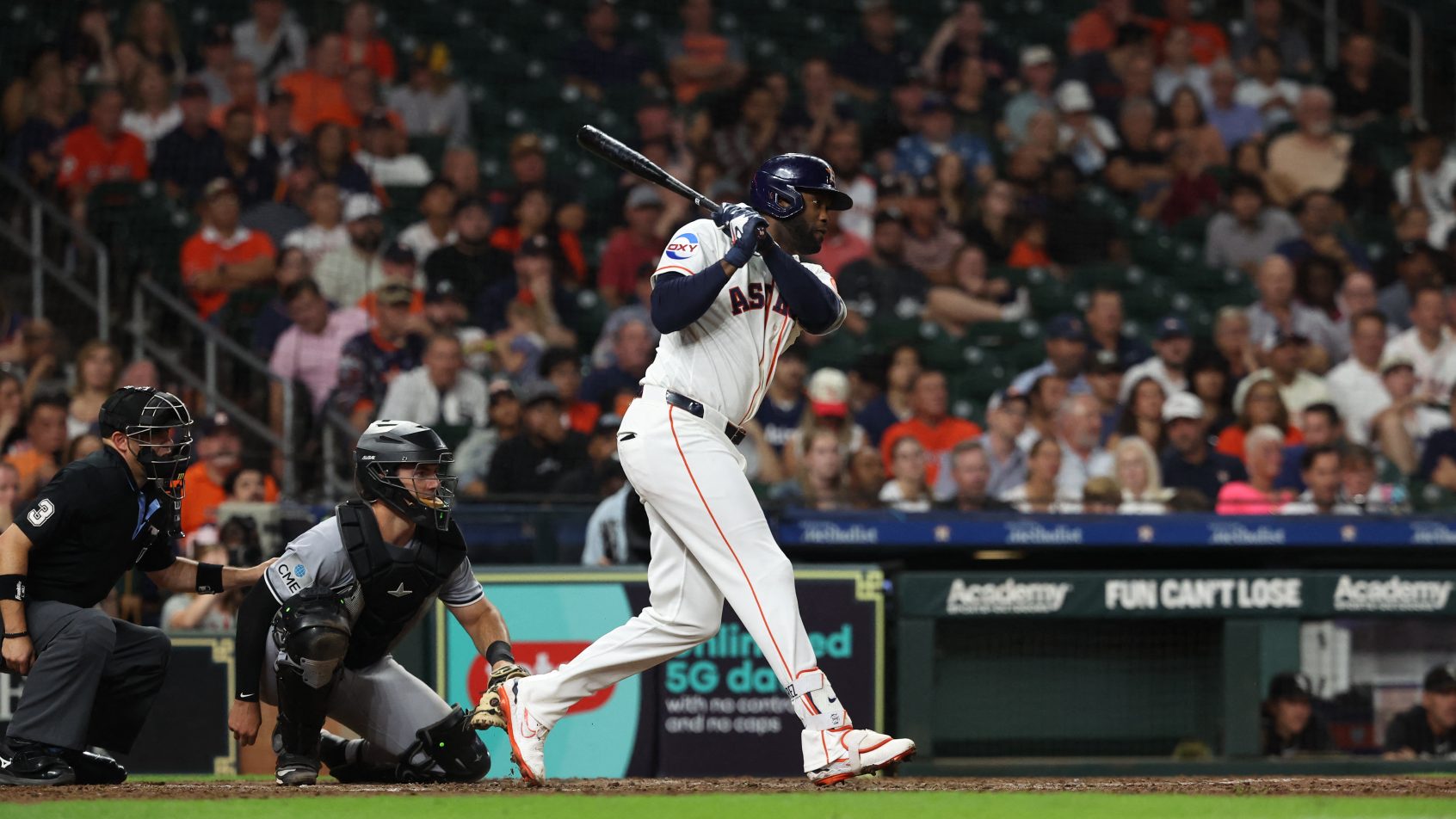
The 2026 American League postseason gets underway with an intriguing clash of trajectories as the AL West champion and #3 seed Houston Astros (81–81, 39–42 home) host the AL Wild Card #6 seed Chicago White Sox (84–78, 36–45 away) at Minute Maid Park.
All three games of this best-of-three Wild Card series will take place in Houston, where the Astros look to channel their trademark October pedigree against an ascendant White Sox club making its return to the postseason spotlight on the heels of three straight 100-loss seasons (an MLB first).
White Sox vs Astros Wild Card Odds
Despite entering the postseason with a sub-.500 regular-season record, Houston opens as a slight home series favorite thanks to its extensive October experience and high-leverage bullpen arms, while the 84-win White Sox offer attractive underdog value.
Recent White Sox/Astros H2H History
This matchup features significant postseason lore between the clubs. Chicago famously swept Houston (4–0) to capture the 2005 World Series title back when the ‘Stros were still in the National League, while Houston answered by eliminating the White Sox 3–1 in the 2021 ALDS.
During the 2026 regular season, Houston controlled the head-to-head series by winning 5 of 7 meetings, outscoring Chicago 31–28 overall:
The regular-season encounters were highlighted by Houston taking three of four at Minute Maid Park in early September, including a 2–0 shutout on September 2nd.
HOU vs CHW Top 3 Starters
Projected Starting Pitching Matchups
In a tight three-game series, starting rotation length and run prevention will be crucial.
Game 1 spotlights a clash between frontline right-handers Hunter Brown and Sean Burke. Brown led Houston’s rotation with a 3.19 ERA and electric swing-and-miss stuff, while Burke emerged as the clear ace on the South Side, logging 172.1 innings with 185 strikeouts and an 11–7 record.
Game 2 features veteran workhorses looking to pitch deep into innings. Chicago will likely turn to Davis Martin (3.95 ERA over 28 starts) to limit hard contact, while Houston counters with workhorse Peter Lambert (153.2 IP, 153 SO) or right-hander Hayden Wesneski (3.25 ERA across 11 starts).
If the series extends to a deciding Game 3, Chicago southpaw Anthony Kay (30 starts) or veteran Erick Fedde (3.83 ERA) could face young right-hander Spencer Arrighetti or Japanese newcomer Tatsuya Imai.
Pick to Win Astros vs White Sox Wild Card Series
The best value on the board lies with the Chicago White Sox Series Moneyline (+115), which carries an implied probability of just 46.5%. Despite entering as underdogs on the road, Chicago produced a superior 162-game regular-season resume with 84 wins compared to Houston’s sub-.500 80–81 mark, and Houston struggled to establish any true home-field edge at Minute Maid Park in 2026 (going just 39–42 at home). In a condensed three-game sprint where rotation depth and run prevention reign supreme, Chicago boasts the series’ clear frontline anchor in Sean Burke (11–7, 3.34 ERA, 1.20 WHIP, 185 K over 172.1 IP), giving the White Sox an immediate edge to steal Game 1 against a thinned Astros rotation leaning heavily on Hunter Brown (107.1 IP) and Peter Lambert (3.87 ERA).
At plus-money odds that undervalue the better overall regular-season club and overvalue Houston’s historical reputation, Chicago’s true series win probability sits substantially higher than 46.5%. For added security, White Sox +1.5 Games (-175) (implied probability 63.6%) also offers strong coverage, banking on Chicago’s steady rotation to win at least one game – a threshold well supported by Houston dropping 42 home games this season. Backing Chicago to either take the series outright at +115 or push it the full three games presents the sharpest betting value.
Bookmark SBD’s MLB odds page to see up-to-the-minute lines for every postseason game.
Managing Editor
Sascha has been working in the sports-betting industry since 2014, and quickly paired his strong writing skills with a burgeoning knowledge of probability and statistics. He holds an undergraduate degree in linguistics and a Juris Doctor from the University of British Columbia.