Prediction Markets vs. Sports Betting: What Makes Them Different

By Drew Ellis
Updated:
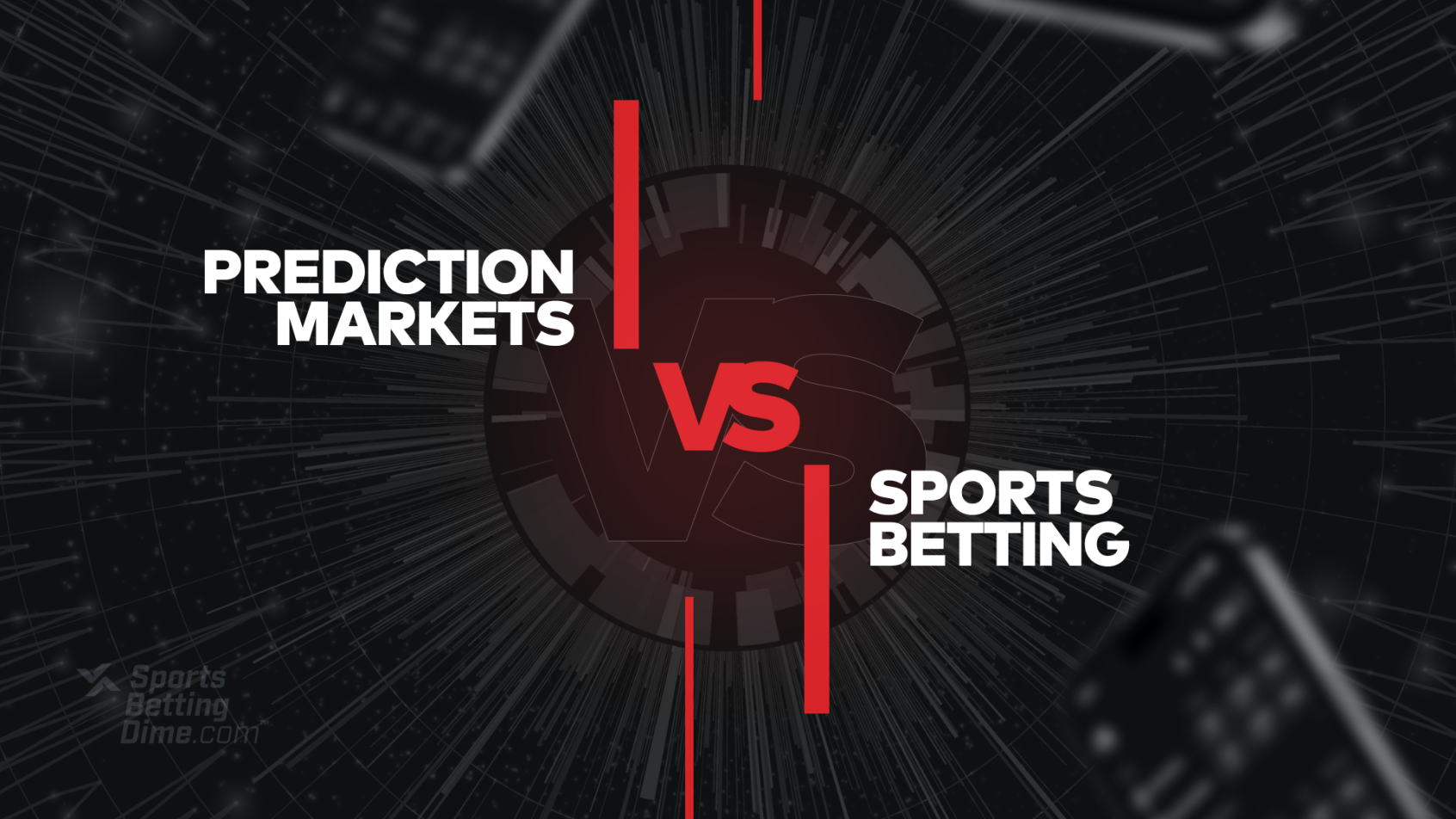
Prediction markets are growing in popularity, especially when it comes to sport event contracts. The industry has drawn comparisons to online sports betting. While there are similarities, there are key differences that differentiate between the two options. Here’s a guide on how the top prediction markets and top online sportsbooks differ.
What is the Difference Between Prediction Markets and Sports Betting?
So, what is really the differences between prediction markets vs. sports betting?
The bottom line is that prediction markets are peer-to-peer exchanges trading, while sports betting are house-backed wagers. There are key differences between the sports betting (gambling) and prediction markets (trading). They include:
What Are Prediction Markets and How Do They Work?
Prediction markets are legal and available through most of the United States as they are federally regulated by the Commodity Futures Trading Commission (CFTC). Users can be as young as 18 years old to use some prediction market platforms. These peer-to-peer markets offer contracts on a variety of topics, including sport event contracts.
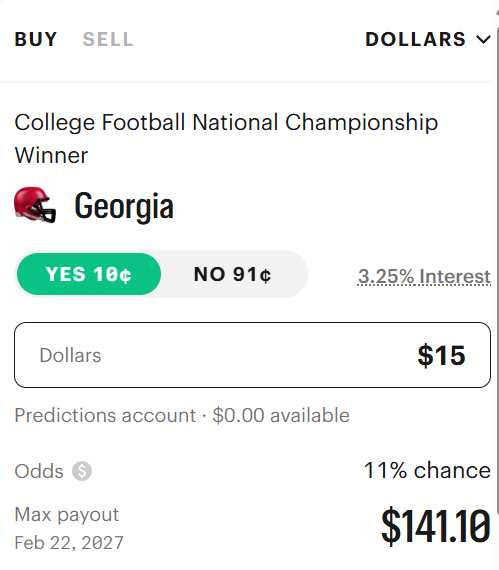
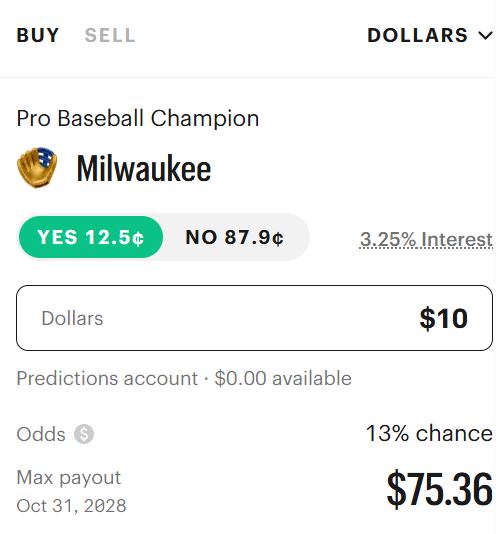
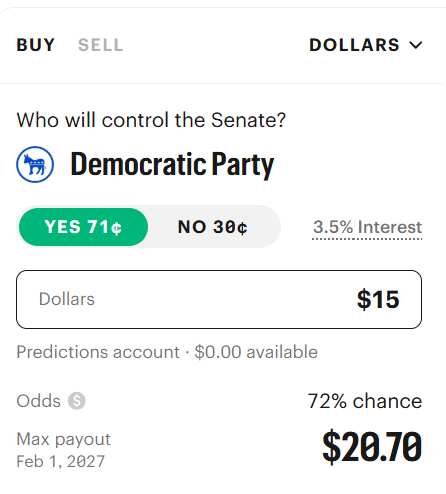
Users choose to purchase the contract, which will be a “Yes” or “No” outcome for a particular event or topic. The price of the contract will be anywhere from $0.01 to $0.99. The available price reflects the implied probability of the outcome that has been set by the market activity. A contract price of $0.40 means it has an implied probability of 40% to occur.
When the event in question has been settled, those holding winning contracts will receive $1 for each contract owned. Those with losing contracts will receive $0. In the case of a $0.40 contract that won, users would get an additional $0.60 back per contract owned. Depending on the prediction market app, there may be minimal trading or maker fees. These are usually less than $2 per 100 contracts.
Users of prediction markets can opt to hold their contracts until event resolution, or they can opt to sell their contract at their choosing. Should a contract jump in value, it’s an opportunity to make a profit. If a contract loses value, it’s a chance to still recoup some money back before the event concludes. Limit Orders allow for prediction market traders to set the price they seek in both purchasing and selling of a contract to give users more control. Prediction market combos are also an option, where multiple contracts are stacked into one single contract, similar to a parlay.
Along with the ability to trade on sports, prediction markets also allow for trading on topics like politics, elections, climate, science, tech, pop culture, Crypto, and more.
What is Sports Betting and How Does It Work With Sportsbooks?
Sports betting is a form of gambling that is done between a single individual and a sportsbook. Online sports betting takes place through online sportsbooks that are legal and regulated in the United States on a state-to-state basis. Each state that offers online sports betting is authorized and regulated through a state commission. Operators are required to utilize strict geolocation fencing to ensure bettors are located within their state and users must be at least 21 years of age. Overall, 32 different states and Washington D.C. have legal online sports betting.
Sportsbook wagers are done based on odds that are set by the operator (the house). Wagers are placed with fixed odds that will always slightly favor the house through vig. Vig is like a fee or commission taken by the sportsbook to make the business profitable. Odds for sports betting are listed in different formats:
- American: -110, +105, etc.
- Decimal: 0.90, 2.10, etc.
- Fractional: 2/1, 5/1, etc.
These formats indicate how much money you will win with a correct wager. In the American format, +100 is equal odds. Anything with a – means you’re additional winnings will be less than the original wager. Anything with a + means you’re additional winnings will be greater than the original wager. With Decimals and Fractions, the winnings are just converted by the number listed.
Sports betting can be done on particular sporting events, or players. That includes moneylines on winning teams, point spreads, totals, game props, player props, parlays, and live betting.
How Prediction Market Prices Compare to Sportsbook Odds
One of the biggest differences between prediction markets and sportsbooks is the pricing and odds.
- Prediction Market Price Probability: With prediction markets, the price is listed below $1 dollar with the number reflecting the implied probability of the outcome happening based on market activity. The more the market buys contracts for an outcome, the higher the price goes.
- American Sportsbook Odds: Odds are also set based on a probability, but that is determined by the house instead of a peer market. Odds also include a vig, improving the odds for the book to give them a slight advantage in each wager. Odds are listed with a + or -. Odds with a minus have greater than a 50% chance of outcome in the eyes of the book. Odds with a plus have less than a 50% chance of outcome. The larger the number next to the + means its less likely to happen. The larger the number next to the – means it is more likely to happen.
To better spell it out, here an odds to probability example for both.
Fees vs. Vig: What You Pay to Bet or Trade
In both cases, the prediction markets and online sportsbook both are looking to make money. However, sportsbooks bring in more revenue due to their vig and control of the odds. Prediction markets make revenue through minimal fees.
- Prediction Market Fees: With contract trading, most prediction markets include a trading fee. These are a few cents per contract and range from $0.75 to $2.00 per 100 contracts traded. Some will also have minimal maker fees that apply to trading. These usually are less than $0.50 per 100 contracts. Other operators will put small service charges on particular deposits or withdrawals, like 2% on debit transactions or a percentage rate on Crypto banking.
- Sportsbook Vig: No wager is truly even with an online sportsbook. A wager that is considered 50/50 will still have -110 odds (52.38%), not +100 (50%). The added 10 is considered the vig. That is the house edge that they take as a commission for providing the betting opportunity and handling the bets. While the sportsbooks take more out per wager than the prediction market fees, sportsbooks don’t often have service charges for banking.
These distinctions are important, as they apply to every wager, including exotic bets and parlays/combos. Each wager of a parlay will still have a house edge applied to it. Each contract in a combo is just as listed in the market, with no pricing impacted by stacking the contracts together.
Cashing Out Early: Sportsbooks vs. Prediction Markets
This is another area where there are key differences. Cashing out early is an option for both sports betting and prediction markets, but the markets give users more options and control.
- Prediction Markets: Half of the fun begins with prediction markets after making a purchase. Like the stock market, trading contracts is just as much a part of participating as is buying a contract. Users have the option to trade their contract at any point to get the value it is listed at the time of sale. When using NFL prediction markets, if you’ve doubled the value, you can opt to sell and collect double your original purchase. You can also sell contracts early to avoid taking the full lose of your purchase if the market is trending in the wrong direction. Limit orders allow users to set specific prices to sell their contracts based on their preferences. It can also apply to buying a contract in a particular market.
- Sports Betting: Many sportsbooks will offer an early cash-out of your wager, but similar to the house edge, the cash-out offers don’t reflect the probability of the outcome. The house calculates the best buyback rate for them given the current status of the event that was wagered on. Sportsbook cash-outs can be helpful when in a strong position, but often times hedging a bet works better for the customers.
When opting to sell or cash out early, it’s all about doing the math and finding what’s best for you. Calculate your offer and see if it makes sense when it comes to the sportsbook trying to get the most of your dollar. With prediction markets, set limit orders that you feel best about. Early trading can be just as profitable as picking winning outcomes.
Are Prediction Markets Legal? How it’s Regulated vs. Sportsbooks
One of the biggest differences between these two industries is the regulation and legal availability.
- Sportsbooks Regulated by States: In the 32 available online sports betting states, each is legal is regulated by the state gaming regulators. The government of that state has passed a law to allow for online sports betting and each available operator is held to strict standards and obligated to provide tax revenue back to the state. To sports bet online, you must be at least 21 years of age.
- Prediction Markets Regulated Federally: Each prediction market is only regulated by one entity, the CFTC. With CFTC regulation, the federal commission has approved each operator as a Designated Contract Market or Futures Commissions Merchant. The operators are not obligated to give any tax revenue back to the states they operate in. To use prediction markets, you only have to be 18 years of age in most cases. Some operators and states require you to be 19 or even 21.
Both sports betting and prediction markets provide responsible gaming tools. Sportsbooks will provide tools both on a national level and within the state they operate. Prediction markets focus more on national RG tools and services.
Are Prediction Markets Considered Gambling?
The straight answer here is No!
While you can win money through prediction markets, they do not classify as gambling.
The main difference in the prediction market vs. gambling argument is prediction markets are regulated federal as financial derivatives. They fall under commodities and trading law rather than state gambling laws.
Both have real-money outcomes, but market trading is done between peers while sports betting is one person competing against a state-operated sportsbook.
If classified as gambling, prediction markets would be required to receive legal permission by each state and be regulated by each state. The federal regulation creates a significant dividing line.
Prediction Market Trading Options vs. Sports Betting
While you can trade on sport event topics with prediction markets, there’s a lot of other categories you can trade on. Sports betting is limited to just sports.
Though tied only to sports, online sports betting has a wide variety of betting markets like game lines, team props, player props, futures markets, parlays, live betting, and more.
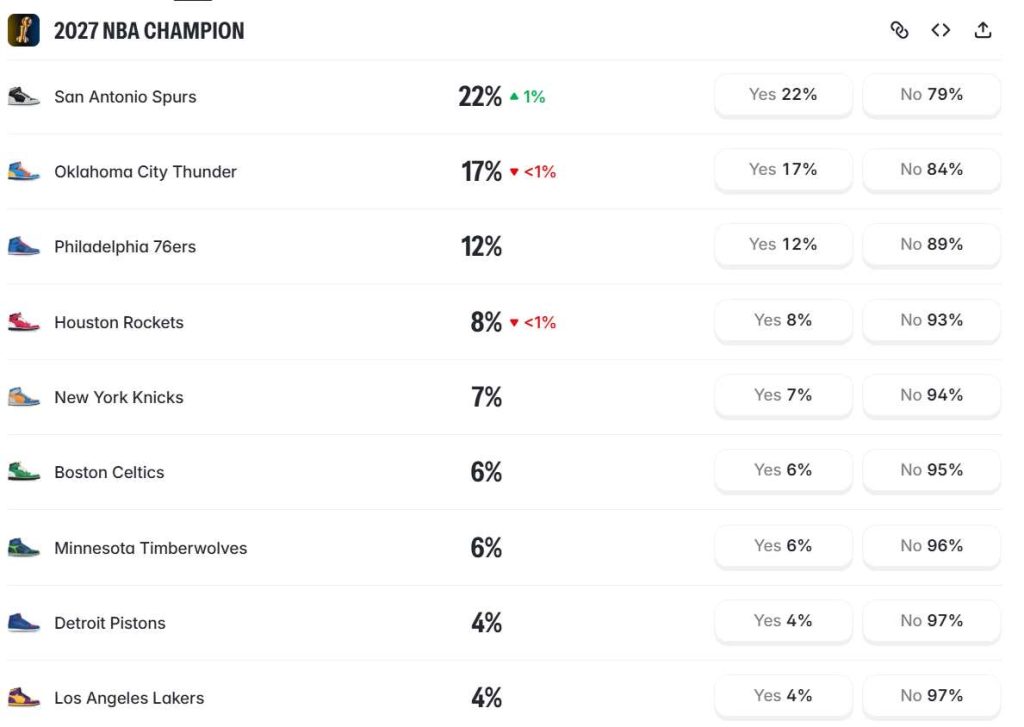
When it comes to prediction markets, their sports events also include many of the prop topics you’d find at a sportsbook, as well as futures markets. That goes for NBA prediction markets, MLB prediction markets, and more.
Aside from sports, prediction markets events include:
- Elections
- Politics
- Culture
- Crypto
- Commodities
- Climate
- Economics
- Mentions
- Finance
- Tech
- Science
Which is More Accurate: Prediction Markets vs. Sportsbooks?
One of questions many have is over whether prediction markets or sportsbooks provide more accuracy.
The reality is, prediction markets are more user-friendly. The pricing/odds are all set by users and customers in the market. There is no house advantage.
Now, with that said prediction market accuracy isn’t a perfect science. Just because a market is listed at $0.75 price, doesn’t mean it’s a guarantee to happen. It represents the implied probability of the outcome based on market activity.
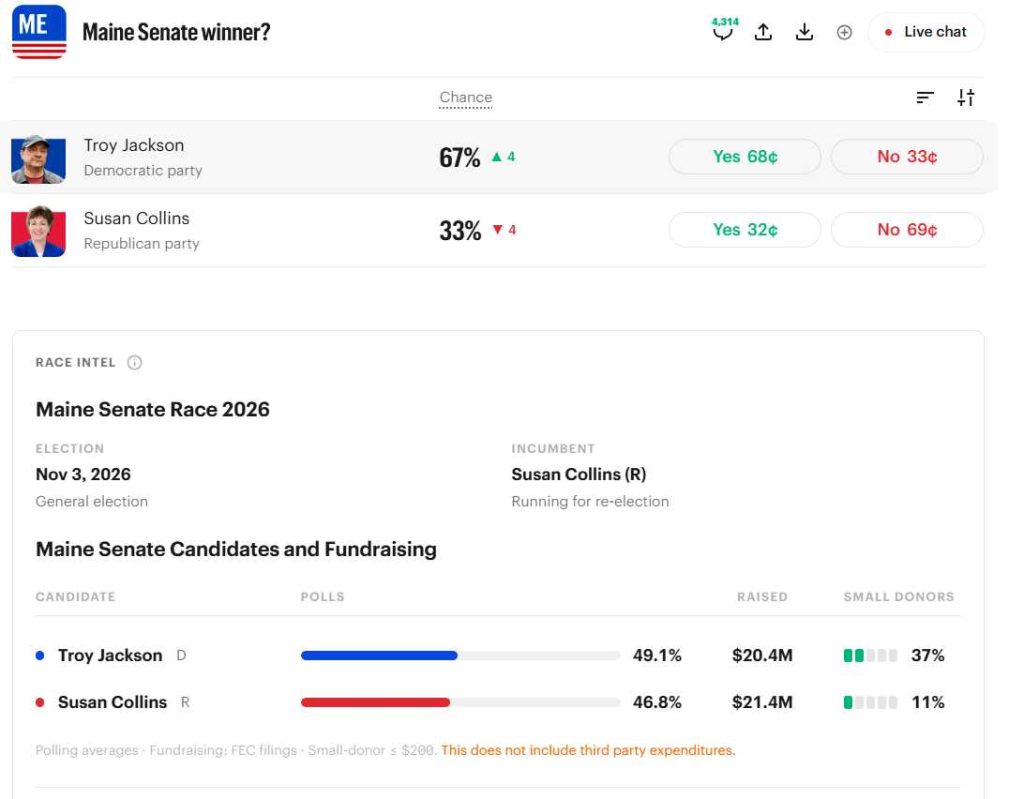
Elections are a great example. Some election races might see a candidate have 70% odds to win, but in real life the polls may show just a slight edge over the candidate. However, the market sees that advantage and the likelihood that the opponent can overcome that deficit based on a variety of factors. That’s why the probability pricing may be as high as it is.
Ultimately, peer market pricing is still more accurate and fair for the user as there is no ulterior motive to profit from the operator, like there is with sports betting.
Can You Make Money on Prediction Markets or Sports Betting?
Yes. You can make real money using prediction markets or online sportsbooks.
Sports betting allows you to make money through winning wagers. Prediction markets allow you to make money through contract trades and selection correct outcomes.
If you’re expecting either to provide a steady stream of income, it’s important to know what you’re doing and gamble or trade responsibly.
Profit sports betting is not something that often happens over the long term. These sportsbooks profit the way they do for a reason and it’s because it is a successful venture for them. Continued wagers with vig factored in require sports bettors to need to win at about a 60% rate just to profit.
When it comes to making money on prediction markets, there’s more flexibility and user control in order to find ways to profit. It requires being able to read markets and assess implied probabilities. With trading, it’s about maximizing high-value positions and being able to minimize low-value positions. You don’t just have to know about sports with market trading, your success often depends on prediction market strategy.
When Should You Use Prediction Markets vs. Sportsbooks?
Since these two differ, there’s different times where it may make sense to use one option over the other.
- Availability: The biggest factor here is platform availability. Prediction markets are available in most of the US, but sports event contracts are not available in most states where there is legal online sports betting. So, in states that don’t have sports betting, prediction markets are a great alternative. That includes California prediction markets, Georgia prediction markets, and Texas prediction markets.
- Costs/Odds: The next factor is to compare odds and prices for each platform. See if available prediction markets are offering more profitable prices than what the sportsbooks odds that are listed. Having multiple options is a positive for users. While vig is always a factor, sometimes sportsbooks can list better prop odds than what a prediction market listing is for the same prop.
- Comfortability: Prediction markets are a different animal. If not familiar with contract trading and the fast action of the markets, you may feel more comfortable using an online sportsbook where wagers are more cut and dry. To be successful with prediction markets, staying active is important.
In either situation, always be sure to gamble or trade responsibly and stay within your financial limits.
Drew Ellis has decades of experience in media covering sports, gambling and general news. He has provided news coverage for online and retail casino developments across the US and around the globe.