Connecticut Federal Judge Denies Kalshi Motion for Emergency Injunction Pending Appeal

By Robert Linnehan in Industry
Published:
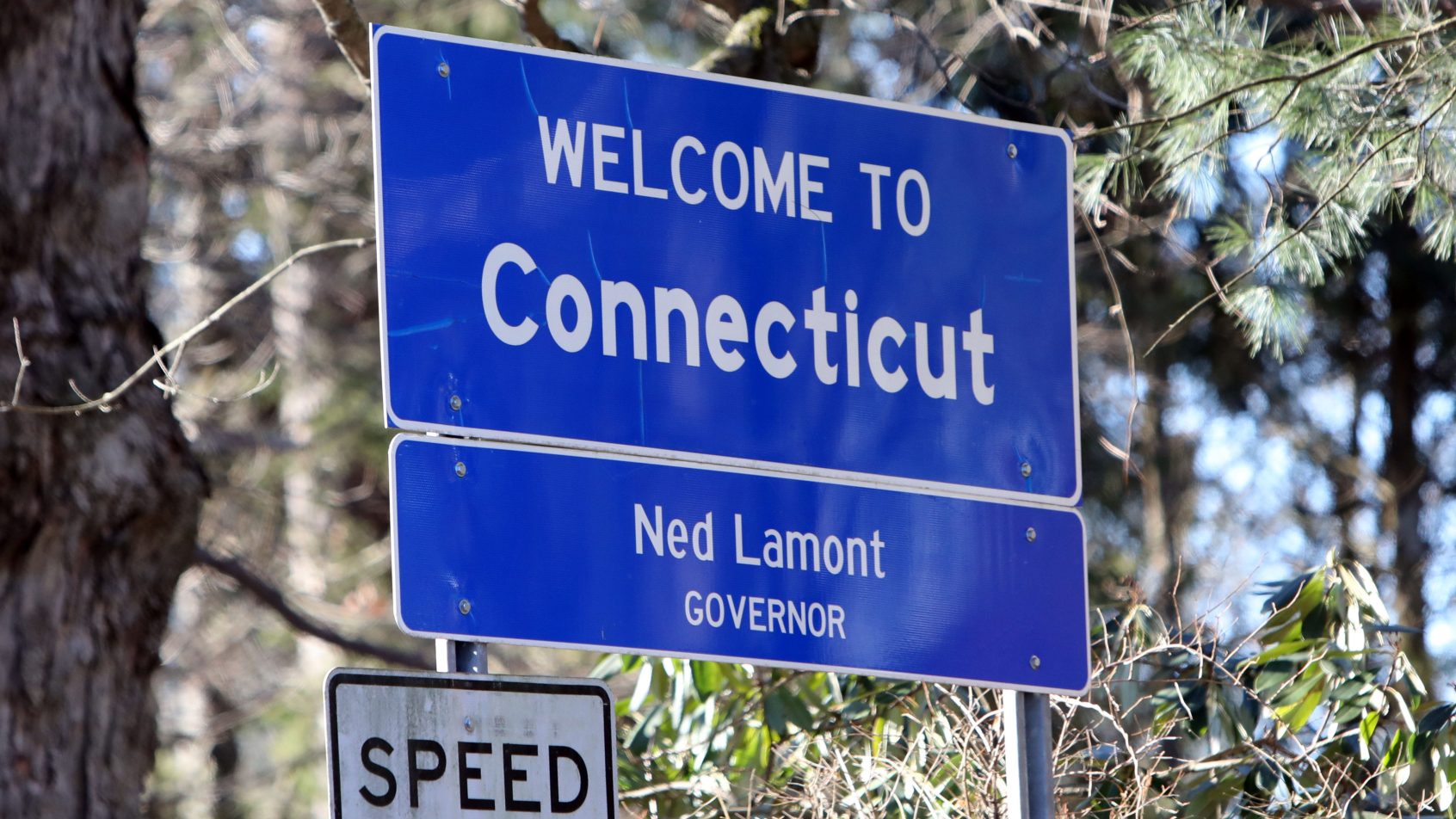
- U.S. District Court District of Connecticut denied Kalshi’s motion for emergency injunction pending appeal
- The decision came less than a week after a federal court denied Kalshi’s request for a preliminary injunction
- The court decision may allow the Connecticut attorney general to file civil enforcement action against the prediction market operator
The U.S. District Court District of Connecticut this weekend denied Kalshi’s motion for an emergency injunction pending appeal, which may now allow Connecticut’s Attorney General to file civil enforcement action against the prediction market operator.
District of Connecticut Judge Vernon D. Oliver noted Kalshi has “not made a strong showing of success on the merits.” Oliver wrote in his decision that three of Kalshi’s arguments were already considered and rejected in its preliminary injunction motion.
In its fourth argument, Kalshi contends that the Second Circuit may disagree with the Court’s view that Kalshi can comply with both federal and Connecticut gambling regimes. But the Court already considered this issue and held that Connecticut’s gambling laws complement rather than conflict with federal law,” Oliver wrote.
Kalshi References CFTC Emergency Authority in New York
Kalshi filed the motion for an emergency injunction pending appeal several days after the U.S. District Court District of Connecticut denied Kalshi’s motion for a preliminary injunction in the state.
In its motion, Kalshi supplemented its argument by referencing the CFTC’s recently exercised emergency authority in New York. The CFTC ordered Kalshi to keep operating in the state in accordance with the Commodity Exchange Act’s (CEA) core principles.
The CEA requires the CFTC to provides a “uniform national market in derivatives transactions.” As part of the obligation, the CFTC must ensure public confidence in its markets by safeguarding market resilience and orderliness, according to a press release.
Kalshi argues that it is further “evidence of a conflict between compliance with federal and state regulations.”
However, Oliver said this argument is “not compelling” as it ignores a fundamental holding of the preliminary injunction order, that sports-event contracts in dispute are not swaps subject to the CFTC’s exclusive jurisdiction.
“Nothing in the CEA takes away statutory interpretation from the Courts, and as an administrative agency, the CFTC lacks the authority to dictate an order that conflicts with this Court’s decision. Thus, the issuance of the CFTC Order does not cause the Court to conclude that Kalshi has made a ‘strong showing’ of success on the on the merits,” Oliver noted.
Will Connecticut AG Take Action?
The denial of Kalshi’s motion may now open the prediction market operator to civil enforcement action from Connecticut Attorney General William Tong.
Tong may take similar action against the company as New York Attorney General Letitia James, who filed a lawsuit against Kalshi after New York courts denied the company’s motion for a preliminary injunction.
In the state’s lawsuit, New York is seeking at least $36 billion from the prediction market operator, directing the respondent to pay a penalty of $100,000 for each offer or attempt to offer sports betting or online sports betting in the state without authorization. The suit requires the company to pay the fine, forfeit all gains from its gambling operations in the state, and pay restitution to users.
As a company, Kalshi has a total valuation of $22 billion.
Regulatory Writer and Editor
Robert Linnehan covers all regulatory developments in online gambling and sports betting. He specializes in U.S. sports betting news along with casino regulation news as one of the most trusted sources in the country.