Kalshi Taking Steps to Block Athletes, Politicians From Insider Trading

By Robert Linnehan in Industry
Updated: September 18, 2026 at 4:33 pm EDTPublished:
- Kalshi announced new technology guardrails to preemptively block athletes, politicians from trading in certain politics and sports markets
- Prediction market company will introduce preemptive politician and sports screening policies
- Several federal bills have been introduced to block politicians from trading on contracts and banning certain markets
Kalshi announced it will take steps to block athletes and politicians from trading in certain political and sports markets to address recent concerns regarding insider trading.
Bobby DeNault, head of enforcement and legal counsel for Kalshi, today announced the new initiatives to preemptively block athletes from trading prediction markets associated with sports in affiliated leagues they are involved in and to block political candidates from trading on their own campaigns.
“Kalshi has always been defined by a commitment to compliance and regulation. Our firm belief is that prediction markets only work when users trust them. Traders on prediction markets want assurances that their counterparties are not cheating. We are committed to banning people who try to cheat. Ensuring market integrity is not just a goal – it is a cornerstone of our business model. Today is just one iteration; we will continue to innovate and improve our systems to protect consumers,” he reported in the announcement.
Taking Steps to Prevent Insider Action
DeNault noted the initiatives have been in the “works for months” and proactively address Commodity Federal Trading Commission’s guidance and introduced federal bills to prevent insider trading.
The Commodity Federal Trading Commission Division of Market Oversight recently issued prediction market advisory regarding the listing for trading event contracts, underscoring the obligation for designated contract markets to only trade event contracts that are not readily susceptible to manipulation.
According to the Commodity Federal Trading Commission Division of Market Oversight (DMO), the majority of sports event contracts offered by designated contract markets (DCM) where the settlement depends on the performance of multiple participants over an extended period of play have been consistent with the core obligation to avoid potential manipulation.
However, the DMO also reported that sports event contracts based on the outcomes of a “single individual or a small group of individuals” may be subject to heightened manipulation or price distortion risks.
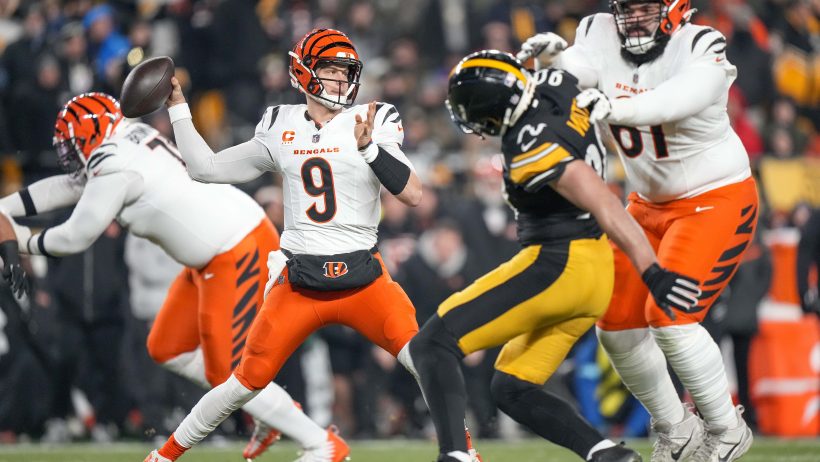
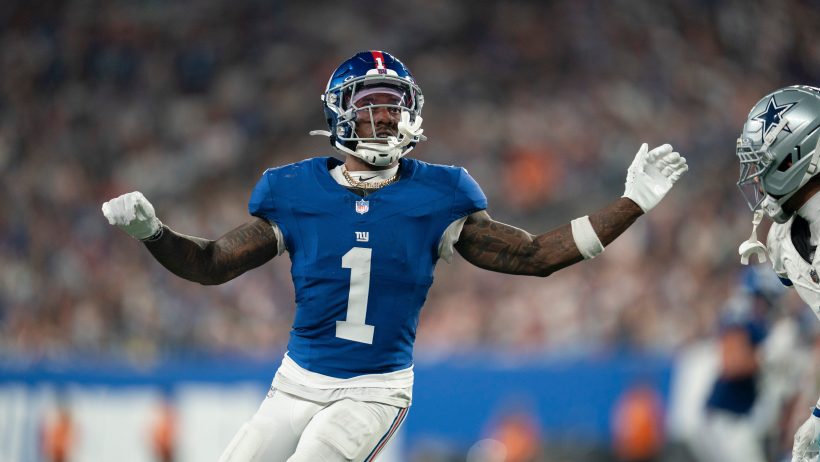
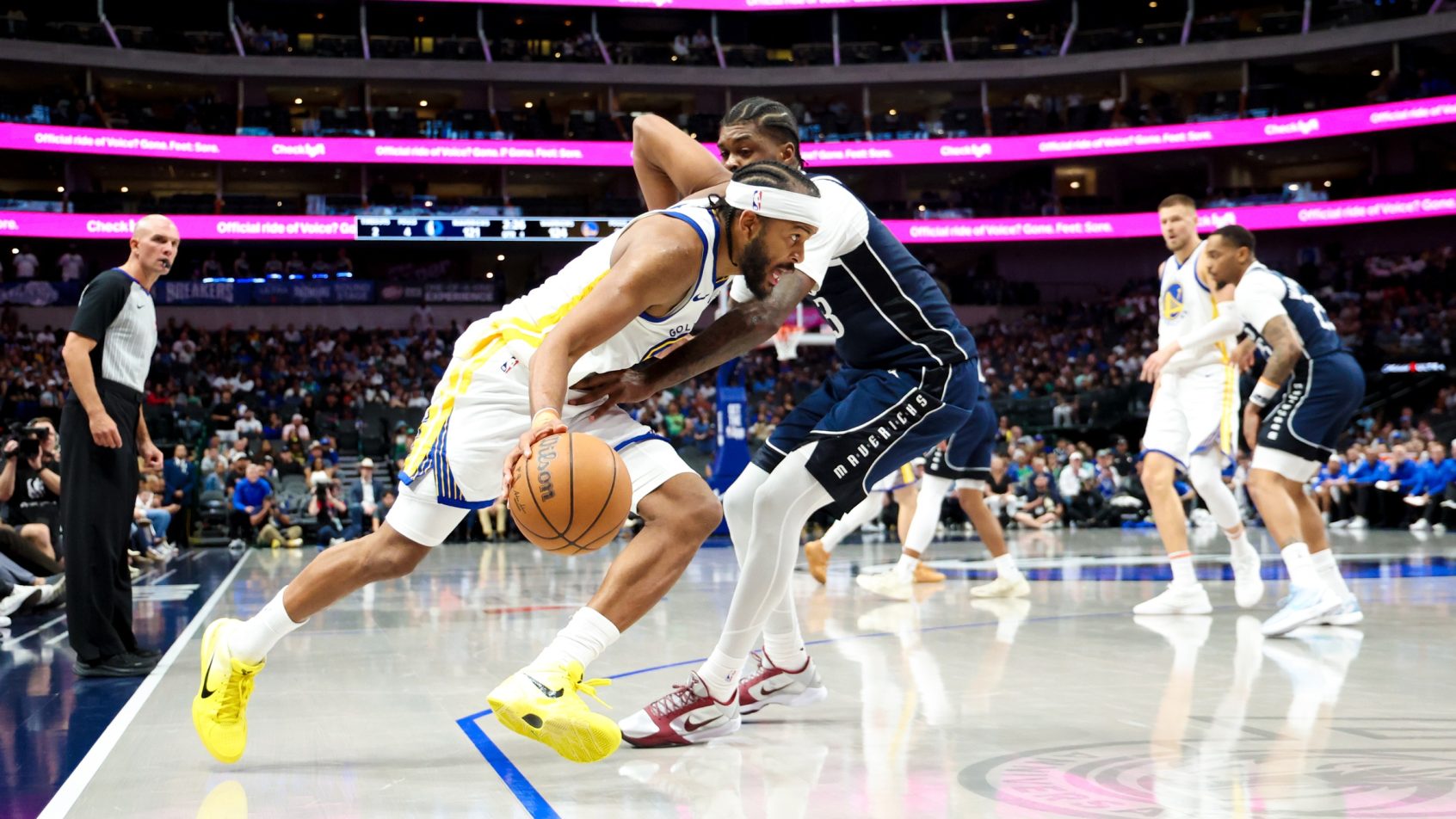
According to DeNault, Kalshi’s new preemptive sports screening will implement a new policy where individuals involved in college and professional sports will be blocked from trading markets associated with sports in affiliated leagues they are involved in. Known athletes, officials, and employees will be blocked from trading in associated markets.
Regarding political contracts, DeNault said the company has always blocked elected officials, such as members of Congress, from trading on certain markets. However, Kalshi will institute new checks in their systems to now prevent candidates from trading on their own campaigns.
“An example of how this will work: we recently brought an enforcement action against a candidate who traded on his own election in violation of Kalshi’s exchange rules. Today’s update means that our systems will now aim to preemptively block these kinds of trades,” he wrote.
AOC Criticizes Guardrails
Rep. Alexandria Ocasio-Cortez (D-NY) took aim at the introduced guardrails, saying they do not go far enough to prevent any meaningful insider trading.
In a post on X, Rep. Ocasio Cortez said there are far too many individuals not included in these Kalshi policies to prevent political insider trading.
“This is absolutely not enough. Just on the policy piece alone, there are SO many individuals – staff, advisors, consultants, cabinet secretaries, spouses, and more – that can trade on insider information. This is just a fig leaf to deflect from criticism. We need to do more.”
Ocasio-Cortez has recently turned her attention to prediction markets. She criticized a partnership between Polymarket and MLB, declaring “Pervasive gambling is not good for society.”
The league named Polymarket as its official prediction market exchange partner and signed an exclusive memorandum of understanding with the Commodity Futures Trading Commission.
As part of Polymarket’s official partnership with MLB, Polymarket and its brokers will receive exclusive access to MLB marks and logos to be used within their prediction market products, and will also receive access to official league data from Sportradar, MLB’s exclusive global distributor of data for prediction markets.
Several Bills Introduced Banning Sports Event Contracts
Prediction markets, especially event contracts related to sports and war, have come under fire in the last several months. A number of pending lawsuits against prediction market companies are ongoing and several members of Congress have introduced legislation to limit the offerings.
Earlier this week, Sens. Adam Schiff (D-Calif.) and John Curtis (R-Utah) introduced the Prediction Markets Are Gambling Act, a bill to prohibit Commodity Futures Trading Commission registered entities to offer sports event contracts, or any contracts that resemble a sports bet or casino-style game.
The legislation, if approved, will prohibit the follow types of sports event contracts:
“The term ‘sporting event or athletic competition’ means any live or virtual contest involving physical activity or skill in which individuals or teams compete and performance determines an outcome or statistical result, including amateur, collegiate, and professional sports.”
Additionally, casino-game style contracts will also be prohibited under the bill, which will include any game traditionally found in a casino, including slot machine games, video poker, blackjack, roulette, craps, any other casino-style table game, bingo, lottery, and any simulation of any of those games,” according to the bill.
Reps. Blake Moore (R-UT) and Salud Carbajal (D-CA) earlier this month also introduced a bill to prohibit the trading of all event contracts related to sports, terrorism, assassination, war, election outcomes, or illegal activity.
The Event Contract Enforcement Act seeks to “amend the Commodity Exchange Act to prohibit event contracts based on terrorism, assassination, war, gaming, illegal activity, election outcomes, government activities, or other activities determined by the Commodity Futures Trading Commission to be contrary to the public interest.”
However, the bill includes a clause which allows a state to exempt itself from the prohibition on gaming contracts, giving them the final say on the controversial prediction market contracts.
Rep. Dina Titus (D-NV) introduced the Fair Markets and Sports Integrity Act in February, which aims to prohibit prediction market companies from offering sporting event or casino-style gaming contracts throughout the U.S.
Titus introduced HR 7477 on Feb. 10. If approved, a “registered entity may not list for trading, facilitate, or clear any agreement, contract, or transaction that is based on, references, or derives its value from, or otherwise involves any sporting event or athletic competition; or any casino-style game.”
Regulatory Writer and Editor
Robert Linnehan covers all regulatory developments in online gambling and sports betting. He specializes in U.S. sports betting news along with casino regulation news as one of the most trusted sources in the country.