Approved Illinois Budget Includes New Sports Event Contract Tax

By Robert Linnehan in Sports Betting News
Published:
- Illinois lawmakers this week approved the state’s nearly $56 billion budget for the upcoming year
- The budget includes a new “exchange wager” transaction tax based on sports event contracts
- Prediction market operators will be required to pay a new tax depended on the number of sports event contracts traded on their platform
Illinois lawmakers approved the state’s nearly $56 billion budget for the upcoming year, as the extensive document contains a new tax that will likely be opposed by prediction market operators.
Illinois Democrats successfully approved the state’s $55.9 billion FY27 budget, which will go into effect on July 1, and included a new revenue stream that will directly impact prediction market operators. Prediction market operators will be expected to pay a new tax on each sports event contract traded on their platform, which will increase after the operator eclipses five million trades in a fiscal year.
Illinois is the first state to impose a tax on sports event contracts, though the new taxation plan will likely face legal challenges from the federal government.
Tiered Tax Rate For Prediction Markets
The approved budget includes a new tiered tax rate for “exchange wagers,” which are defined in the budget document as “an agreement, contracts, transaction, or swap that is offered, traded, or executed on a prediction market or exchange tied to a sporting contest or sporting event.”
Prediction market operators will be required to pay a transaction tax equal to 1.75% for each exchange wager. After the first five million exchange wagers conducted by a prediction market operator during a fiscal year, the transaction tax will increase to 3.5%.
The exchange wager tax revenues will be deposited monthly into the state’s sports wagering fund.
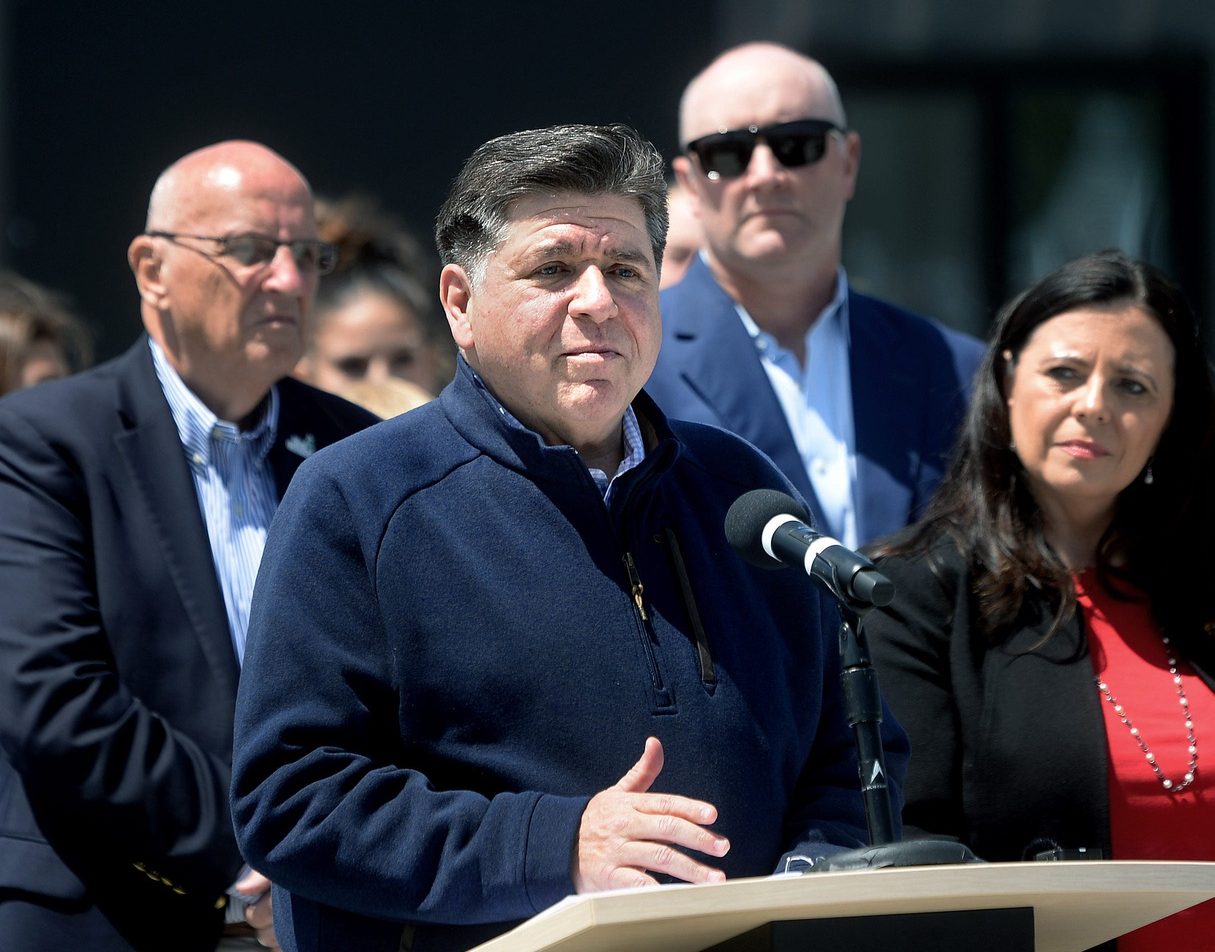
“Every element of the budget for the upcoming fiscal year was thoroughly deliberated with the aim of achieving widespread affordability for all Illinoisans,” Gov. JB Pritzker (D) said in a release. “It builds upon seven years of fiscal discipline and efforts to make our state competitive in national and international industries. I look forward to signing the FY27 budget and delivering for Illinois’ working families in all stages of life – whether they are seeking tuition assistance to attend community college, preparing to enter the workforce, hoping to buy their first home, or requiring medical debt relief after receiving health care.”
Legal Challenges Likely
While the tax rate has been approved in the state’s new budget, it remains to be seen if operators will actually pay the new tax rate. It is more than likely that Illinois will face lawsuits from several fronts prior to the document’s July 1, 2026, start date.
Illinois already faces a lawsuit from the Commodity Futures Trading Commission (CFTC) regarding prediction markets and the trading of sports event contracts.
In its filed lawsuit in Illinois, CFTC counsel claimed the state “misapprehend both the nature of these contracts and the federal regulatory framework.”
“Event contracts, including sports-related event contracts that are listed on DCMs, are covered by the CEA, and the CEA prohibits States from invading the CFTC’s exclusive jurisdiction over event contract transactions offered by and executed on federally regulated DCMs. By prohibiting these DCMs from operating in Illinois without an Illinois license or by conditioning their operation on compliance with Illinois laws and regulations, Defendants directly interfere with Plaintiffs’ authority pursuant to the federal scheme imposed by Congress through the CEA.”
The lawsuit stemmed from the Illinois Gaming Board levying cease-and-desist notices to Kalshi, Crypto.com, and Robinhood in April 2025. The board ordered the prediction market companies to stop offering their sports event prediction contracts to Illinois residents.
The CFTC will likely take up a new lawsuit against the state to block the new tax from going into effect, arguing that it has exclusive jurisdiction over prediction market regulations.
Regulatory Writer and Editor
Robert Linnehan covers all regulatory developments in online gambling and sports betting. He specializes in U.S. sports betting news along with casino regulation news as one of the most trusted sources in the country.