Connecticut Sues Kalshi to Prohibit Sports Event Contracts, But Immediate Ban Already Rejected

By Robert Linnehan in Industry
Published:
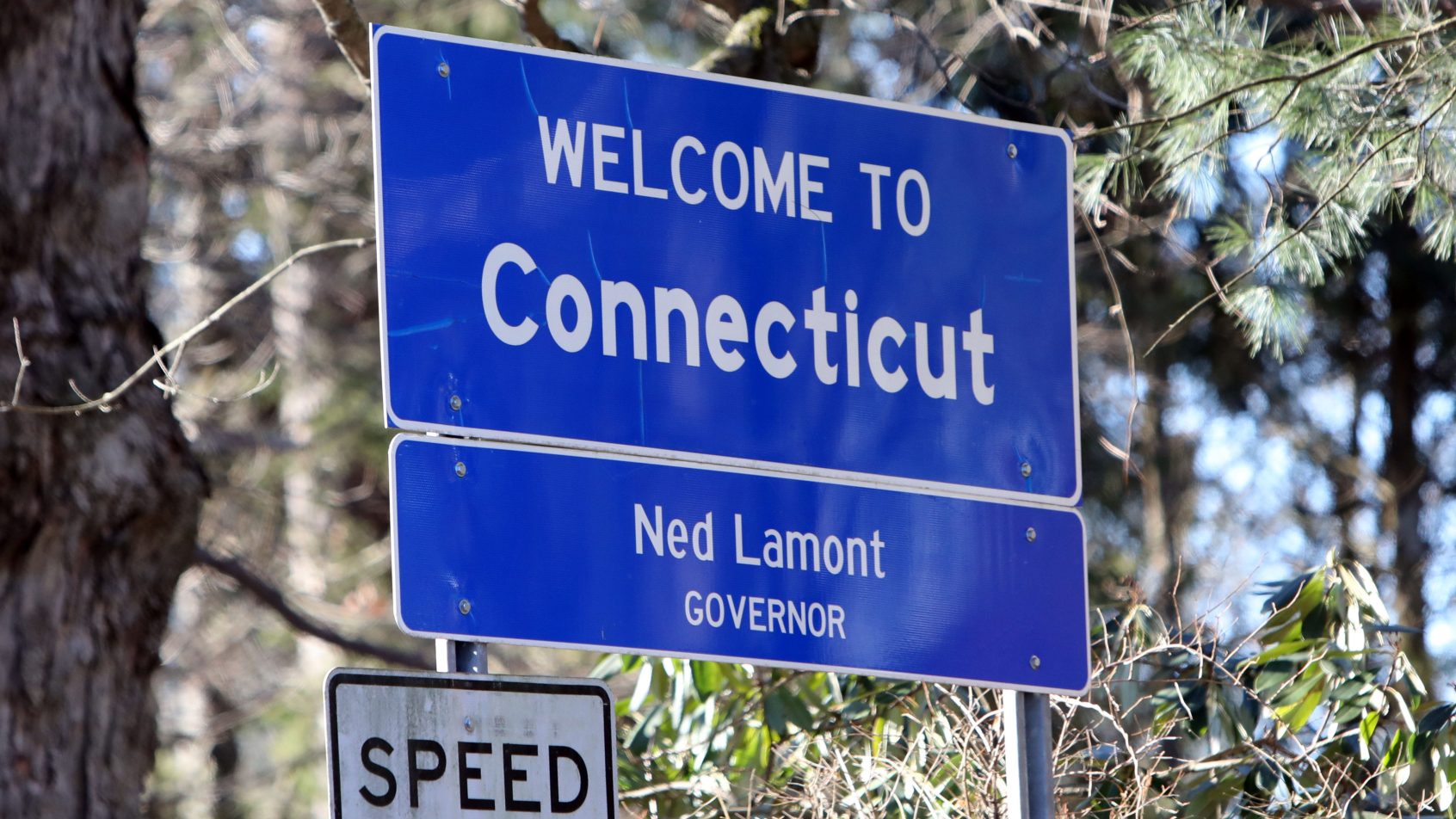
- Connecticut officials, including Attorney General William Tong and Gov. Ned Lamont (D), filed a lawsuit against Kalshi
- The lawsuit seeks a court injunction to block Kalshi’s sports event contracts in the state
- A request for an immediate temporary restraining order against the event contracts has already been denied
Connecticut officials this week filed a lawsuit to prohibit Kalshi from offering markets it claims are illegal, unlicensed sports betting in the Constitution State.
Attorney General William Tong, Gov. Ned Lamont (D), and Department of Consumer Protection Commission Bryan T. Cafferelli filed the lawsuit in Connecticut Superior Court against Kalshi this week seeking a court injunction to block the prediction market operator’s sports event contracts from the state.
“Sports event contracts are no different than sports betting and are not magically shielded by federal law from Connecticut’s commonsense consumer protection laws. These laws exist for a reason – to protect minors, to prevent problem gambling, to ensure your money is safe and your personal information is protected. None of that is happening now on Kalshi, and we’re suing to put a stop to it,” Attorney General Tong said in the state announcement.
Immediate Ban Denied by Courts
In its lawsuit, Connecticut filed for an ex parte temporary restraining order against the prediction market operator. The Connecticut Superior Court denied the motion for an ex parte temporary restraining order on the same day the lawsuit was filed.
If it had been approved, Kalshi would have immediately been ordered to cease its sports event contracts in the state.
The U.S. District Court District of Connecticut recently denied Kalshi’s motion for an emergency injunction pending appeal, which allowed Connecticut’s Attorney General to file this week’s civil enforcement action against the prediction market operator.
Kalshi is currently appealing the decision.
A Kalshi spokesperson pointed Sports Betting Dime to Jovy Dedaj, head of litigation for Kalshi, and his social media post on X as official comment from the company.
“Connecticut just filed this lawsuit to shutdown @Kalshi immediately, but they’re okay with other prediction markets operating there in the meantime. This is the latest in a line of arbitrary and inconsistent enforcement by the states, which shows this has nothing to do with consumer protection. If it did, the states would be seeking the same relief across the board. This unequal treatment is exactly why federal oversight is necessary.”
Seeking Court Injunction for Sports Event Contracts
According to Connecticut legal counsel, the state is seeking a permanent injunction against Kalshi for its sports event contracts. The prediction market operator, the state alleges, offers illegal sports betting through its sports event markets to Connecticut residents. The sports event contracts closely resemble sports bets, including whether a team or player will win a matchup or series, the number of wins in a season, and other similar markets.
The Connecticut Department of Consumer Protection Gaming Division issued cease-and-desist notices to Kalshi, Robinhood, and Crypto.com on Tuesday, Dec. 2, 2025, for their prediction market services, namely sports event contracts, reporting that all three platforms are offering sports wagers in violation of state law and without license.
Kalshi levied a lawsuit in U.S. District Court against the Connecticut Department of Consumer Protection one day later on Wednesday, Dec. 3, 2025. The lawsuit was filed against the department and its director, Kristofer Gilman, requesting a preliminary and permanent injunction against the state.
Kalshi’s injunction request was denied earlier this month.
“These prediction markets put Connecticut consumers, young people, our student athletes, and those suffering from gambling addiction at serious risk. They have made it clear their goal is profits over people, and that’s why we are holding them accountable,” Gov. Lamont said. “When we legalized sports wagering in 2021, the goal was to create a safe, responsibly regulated market for Connecticut consumers, not to open a free-for-all on sports betting. We did this in coordination with our tribal partners, recognizing the importance of our government-to-government relationship and acknowledging tribal sovereignty in gaming operations, something we have honored for more than three decades.”
In addition to a permanent injunction, Connecticut is also requiring disgorgement of all revenues received by Kalshi through its operation of sports event contracts in the state. Also, it is requesting a disgorgement from Kalshi in the amount of all taxes, fees, and contributions which the company, if it were a licensed sports betting operator, would have been obligated to pay out to the state.
Regulatory Writer and Editor
Robert Linnehan covers all regulatory developments in online gambling and sports betting. He specializes in U.S. sports betting news along with casino regulation news as one of the most trusted sources in the country.